
I’ve watched this scene play out more times than I can count.
A founder walks into a pitch meeting with a beautiful deck. Twenty slides on the product. The clean label. The flavor lineup. The packaging that tested off the charts. A market-size slide with a number big enough to make anyone blink.
Then the investor starts asking questions. Almost none of them are about the product.
What happened when your first co-packer fell through? What did you get wrong in year one? Who told you no, and what did you do next?
The founder came to sell a bar, a sauce, or a beverage. The investor came to size up a person.
That gap is one of the startup world’s most expensive misunderstandings. Founders think they’re pitching a product. Investors know they’re underwriting a human being.
The Product Is the Ticket. The Founder Is the Show.
Over the years, I’ve talked with many angel investors, family offices, and fund partners who write checks to food and beverage brands. When I ask what actually drives their decision, the answers are remarkably consistent. And they rarely start with the product.
They start with three questions. Is this founder nimble? Are they humble? Are they quitters?
The product still matters. It has to be solid. A bad idea with a great founder is still a bad idea. But a solid idea is the price of admission, not the reason for the check. Plenty of people have solid ideas. Far fewer have the temperament to survive what comes after.
Here’s the uncomfortable part for founders. The product you’re pitching today is probably not the product that will make you successful. Investors know that. You should too.

Why the Product Comes Second
Think about what an early-stage investor is really buying. Not a finished business. A set of guesses about the future. Guesses about pricing, channel, consumer demand, retailer appetite, and margin.
Most of those guesses will be wrong.
The formula will change. The price point will move. The channel you were certain about will turn out to be the wrong one. Your hero SKU will get beaten by the afterthought flavor you added.
When the guesses miss, only the founder is left standing. Their ability to read the situation, admit the miss, and adjust before the money runs out is the real asset. The product is a snapshot. The founder is the whole movie.
Nimble, Humble, Persistent
Each trait does a different job.
Nimble means you can change direction without falling apart. I’ve watched founders cling to a channel strategy long after the data told them to move. They loved the plan more than the outcome. Nimble founders love the outcome. They treat the plan as a hypothesis, not a promise.
Humble means you can hear bad news. This one is badly underrated. A founder who can’t take feedback from a buyer, a broker, or a board member will repeat the same mistake at a bigger and more expensive scale. Humility isn’t modesty. It’s coachability. Investors want to know you’ll pick up the phone when things go sideways, not bury the problem until the next board meeting.
Persistent means you keep going after the third rejection, the fifth, and the twentieth. Every food brand I’ve worked with, big or scrappy, hit a stretch where nothing was working. The difference between the brands that made it and the ones that didn’t was rarely the product. It was whether the founder refused to quit.
Here’s the catch. Persistence without humility is just stubbornness. Humility without persistence is just polite giving up. The founders who win have both. They’re stubborn about the vision and flexible about the path.
The Case for the Product (and Why It Still Loses)
Not every investor agrees with me, and that’s fair.
Some will say the market is the market. A great founder in a shrinking category is still swimming upstream. Others will warn that charisma fools people. Every investor has a story about backing the charming founder who couldn’t execute.
I take both points seriously. I’ve argued for years that velocity beats mission at retail. The shelf doesn’t care about your backstory. If the product doesn’t move, nothing else matters.
But here’s what I’ve noticed.
Velocity problems are usually founder problems in disguise. Wrong price. Wrong retailer. Wrong pack size. Wrong message. All fixable. Whether they get fixed depends on whether the person in charge sees them early and acts. The shelf may not care about the founder, but the founder decides what ends up on the shelf.
And the charm trap? That’s not an argument for betting on the product. It’s an argument for doing better homework on the person.
What This Means for Founders
If you’re raising money, stop leading with the product. Lead with proof of who you are.
Show the pivot you made and why. Show the mistake you caught and what it cost you. Show the account you lost and then won back. Investors don’t need you to be perfect. They need evidence that you learn faster than you burn cash.
And if an investor spends the whole meeting asking about you instead of your product, don’t treat it as a distraction. It is the meeting.
Three Key Takeaways
1. A solid product gets you in the room. You get the check. The idea has to clear the bar, but it rarely closes the deal. Investors are betting on the person who will still be standing after the first plan fails.
2. Your pivots are your credentials. Founders often hide their course corrections because they look like failure. Investors read them as proof of judgment. Tell the story of what you changed and why.
3. Persistence needs a partner. Grit alone can look like stubbornness to the investor across the table. Pair it with humility and show you can hear “no” without losing your nerve or your direction.
So here’s my question for the investors reading this. Am I right, or does the product carry more weight than you let on? And founders, what did your investors actually ask you about?
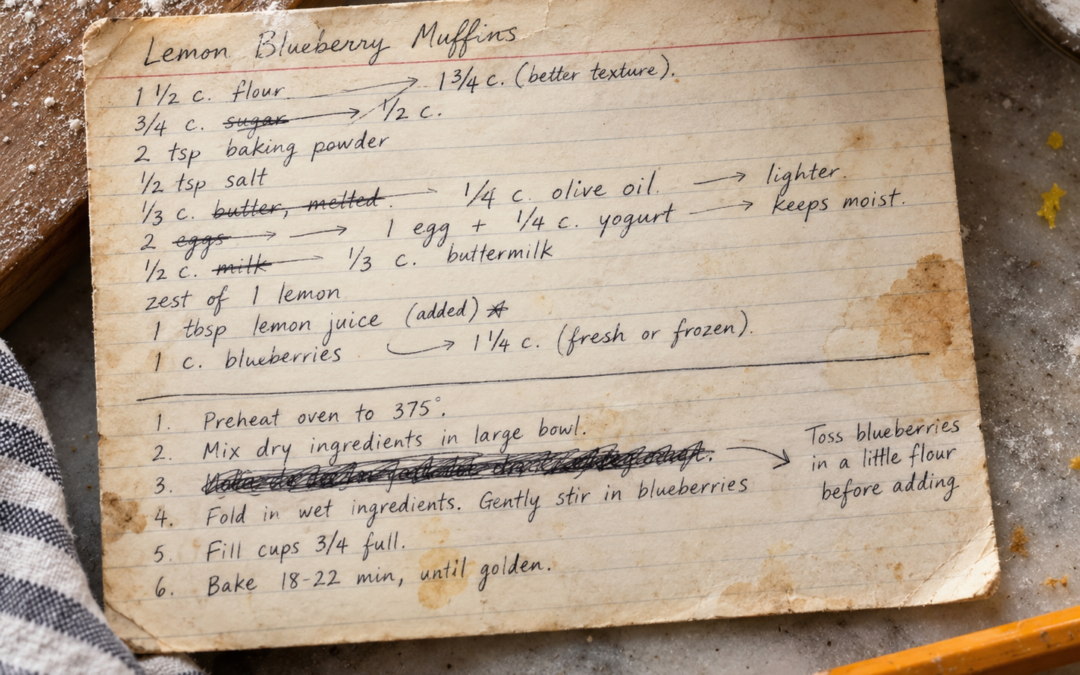
Recipes change. The smart money is on the cook who’s still in the kitchen when they do.
Connect with Jeff at The Marketing Sage Consultancy. Interested in setting up a call? Use my calendly to schedule a time to talk. The call is free, and we can discuss your brand, marketing needs, and challenges.
Feel free to email me at jeffslater@themarketing sage.com or text 919 720 0995. Thanks for your interest in working with The Marketing Sage Consultancy.