How Don Sazon Turned a Family Spice Company into a Multi-Million Dollar Brand
There is a moment in every great brand story where the product and the person become inseparable.
Where the thing being sold is really just the container for everything the founder has lived through. That is the story of Don Sazon, a seasoning and spice company based in Pacoima, California.
And it is one of the most flavorful origin stories in the food business.
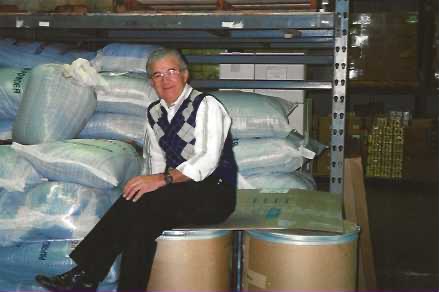
Antonio Salazar founded Don Sazon and has now passed into the hands of the second generation, his son Victor and daughter-in-law Denise, who have carried the company forward while keeping every one of Antonio’s original recipes intact.
And, to understand why this company matters, you have to go back further.
You have to start with a man named Antonio from Cuba.
Antonio, The Man Who Cooked for 500
Antonio Salazar was a Cuban entrepreneur who owned a small sandwich shop in Havana. Then, in 1962, Castro’s government nationalized private businesses and took the shop from him. No compensation. No recourse. Just gone.
When he went to grab the few dollars from the cash register, the police told him, “That belongs to Castro. Leave that money alone.”
When Antonio refused to work for the state, he was sent to a sugarcane labor camp for five years. Five years.
He didn’t disappear into that experience. He rose inside it.
Eventually, he became the head cook, responsible for feeding 500 men a day.
The ingredients were scarce. The circumstances were brutal. But the instinct to feed people well — to take whatever was at hand and make something worth eating — never left him. It just went underground, waiting for a better kitchen.
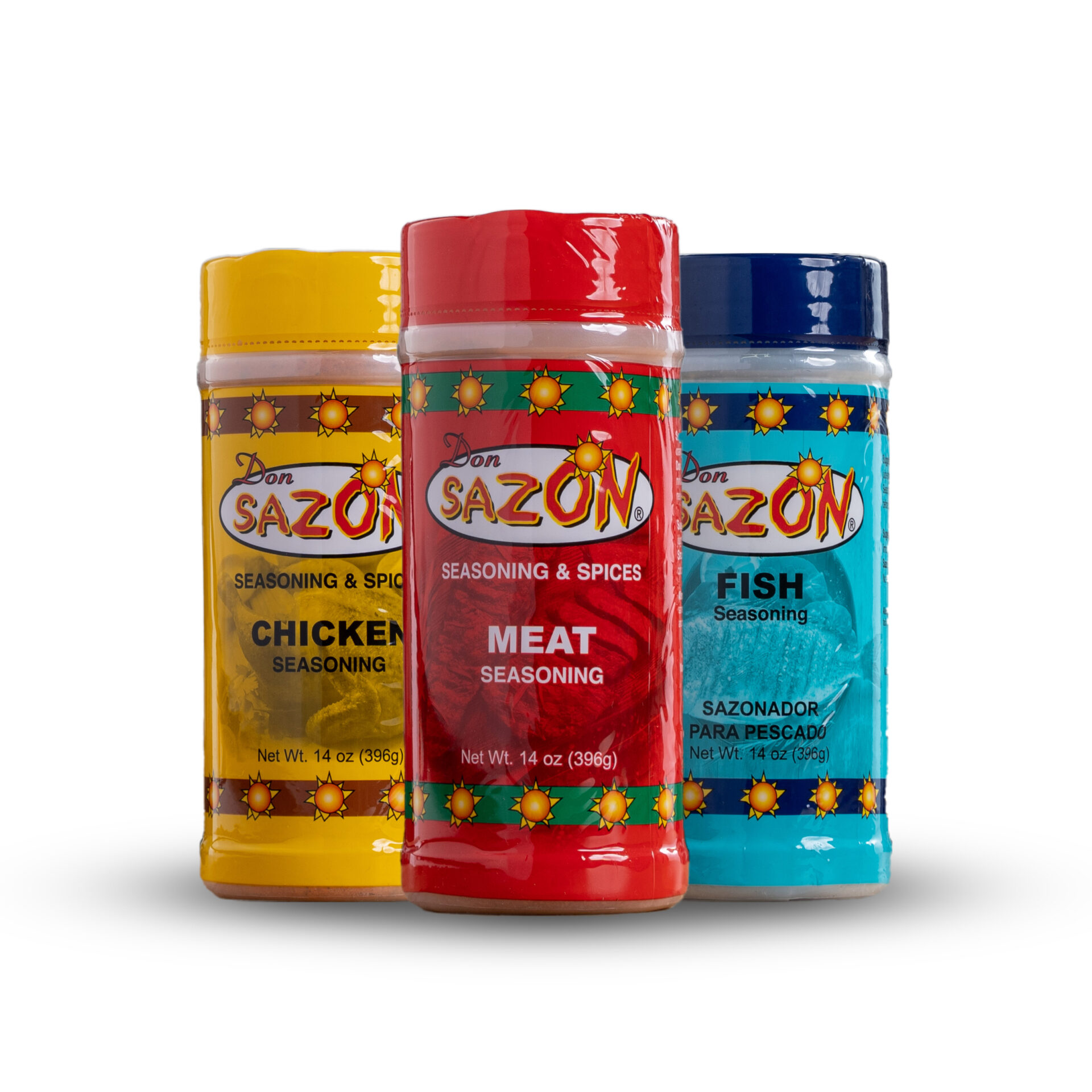
That instinct is what you taste when you open a jar of Don Sazon Meat Seasoning.
It was forged in a sugarcane camp in Cuba, carried through immigration to Los Angeles, and eventually turned into a business.
Antonio was 65 when he started Don Sazon.
That’s when most people are thinking about slowing down. Antonio wasn’t thinking about slowing down. He was thinking about seasoning.
Antonio founded Don Sazon in Pacoima, California, in July 2000.
He started with a handful of recipes, an unshakeable commitment to quality, and a flat refusal to do what competing brands were doing: padding products with cheap salt to cut costs and inflate volume.
His seasonings were real seasonings. Better flavor. A product built on principle, not margin.
He was, in every sense of the word, the Don of Seasonings, AKA Don Sazon.
Victor, The Son Who Commuted for Nine Years
Victor Salazar built his career the methodical way. City National Bank. Human resources. McDonnell Douglas. Health Net. He was good at his work and understood organizations from the inside and how people operate, how businesses grow, and where the pressure points are.
None of that experience was wasted.
When his father started Don Sazon, Victor started helping to build the Northern California territory.
He took a leap of faith, left his HR career, and spent 9 years commuting between NorCal and Los Angeles to support his father’s growing operation. By the time he finally left the corporate world behind, Victor had built the NorCal route to $1 million in annual revenue on his own.
That kind of sustained commitment is rare. Nine years. Most people would have found a way to make the distance an excuse. Victor made it a foundation.
In 2017, when Antonio was 82 and ready to step back, Victor and Denise purchased the company. Antonio retired, knowing that the business he started at 65 was in the hands he trusted.
And Victor got to find out whether everything he’d built from the outside could hold up when he was running it from the inside.
It held up.
Denise, The Operator Behind the Growth
Denise Salazar spent 40 years in the banking industry. She built real expertise in contracts, sourcing, and pricing. She learned how money actually moves through a business, where the leverage points are, and what it costs when you get those details wrong. That last part matters most.
She left a well-paying career for something more meaningful. That is not a small thing. It is the kind of decision that tells you what a person actually values.
At Don Sazon, those four decades of financial discipline are evident in the way the company is structured.
The business is entirely self-funded. No outside investors. No debt chasing growth at any cost. Every decision has to make sense on its own terms. The financial rigor Denise brought from banking applies directly to the company’s choices every day, from ingredient sourcing to distribution strategy. When the books are clean and the margins are honest, you can make better bets.
A Multi-Million Business Built on Consistency
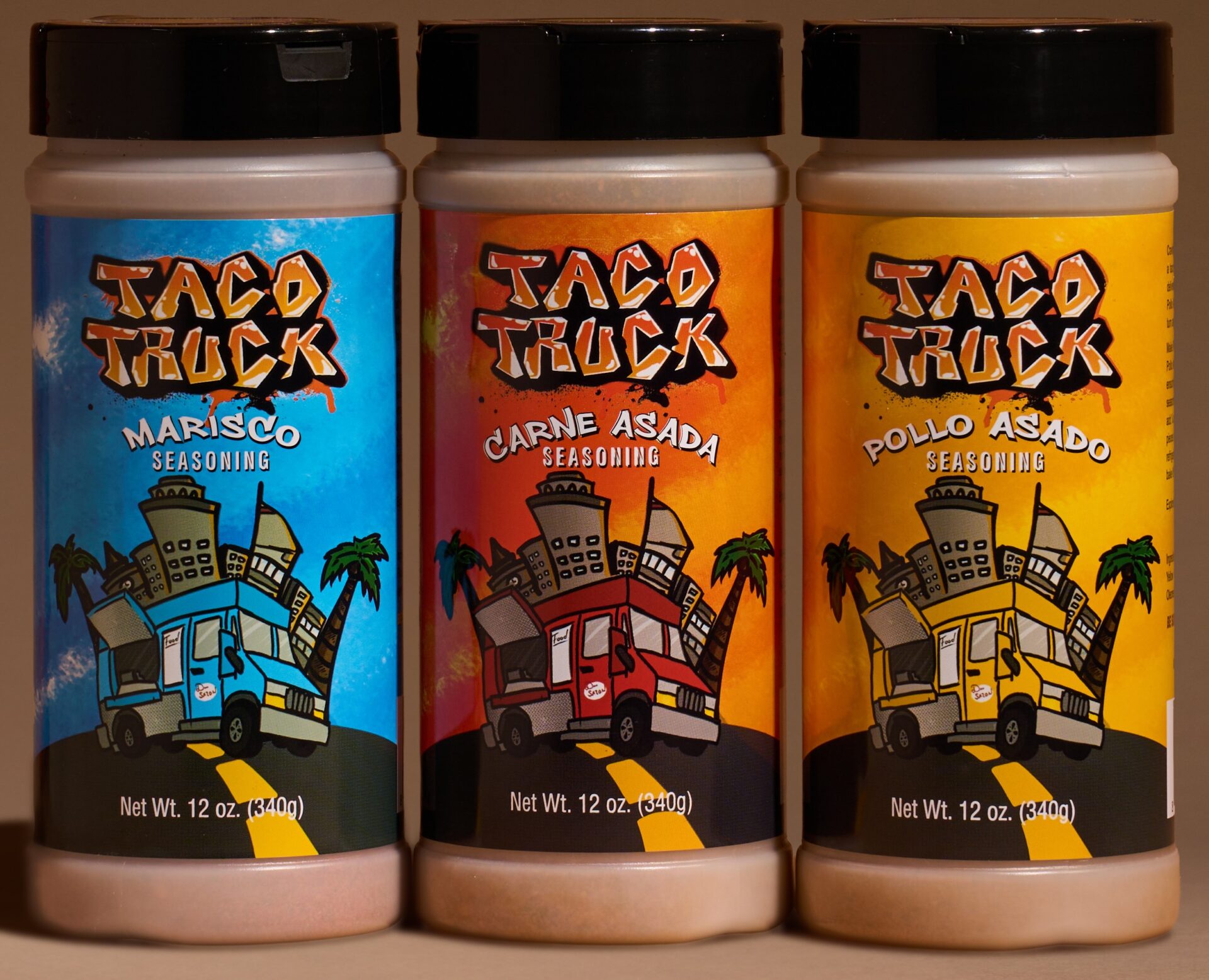
Don Sazon has a growing product line: original Meat Seasoning (Carne Asada), Chicken Seasoning, Fajita Seasoning, Adobo, and the Taco Truck line, which has become the fastest-growing product in the portfolio since its launch.
The retail business consists of sales through small, independent Hispanic specialty grocers across several states.
The Taco Truck line is worth a closer look.
It was designed to capture something specific, the bold, uncomplicated flavors you get from the best street food, what Victor describes as “from truck to table.”
The name does real work. It signals authenticity before anyone opens the jar.
None of the original products has changed. That is not an accident.
Antonio’s original recipes remain untouched. The ingredients are the same. The ratios are the same. A customer who bought Don Sazon Meat Seasoning twenty-five years ago will get the same result today. In a category where reformulations and cost-cutting are constant, such consistency is a competitive advantage. It is also simply a promise kept.
The low-sodium positioning matters here, too. Don Sazon doesn’t lean on salt the way many seasonings do. The flavor comes from actual spices, which means the products hold up on a health-conscious label read in a way that many competitors cannot. As more consumers scrutinize sodium content, that position gets more valuable, not less. The brand was ahead of the curve before the curve existed.
Eyes on Growth
Don Sazon is currently sold in nine states: Arizona, California, Colorado, Nevada, New Mexico, Oregon, Texas, Utah, and Washington. They built that footprint the old-fashioned way, meat market by meat market, foodservice account by account, one route at a time.
Don Sazon has its sights set on growth opportunities that will lead to broader distribution of its seasonings, including at national chains. The product has earned that trajectory the hard way by consistently showing up on shelves, tasting great, and moving.
Victor and Denise are clear-eyed about what it means. The immediate margins on a national retail test are not the point. The point is what comes after. National retail exposure validates the brand and opens doors to other regional and national accounts. It also changes the purchasing power equation. When you buy ingredients in container quantities rather than cases, the cost structure of the entire business improves, and those savings can flow back into quality and growth.
That is a sophisticated way to think about a retail deal. It is the banker and the HR executive running a food business. The instincts are right and seasoned.
What the Seasoning Aisle Can Learn from Don Sazon
I think about Don Sazon the way I think about the best brands I’ve covered on this blog over the years.
The ones that last are rarely the ones with the most aggressive retail strategy or the highest media spend. They are the ones where the product, the story, and the commitment to quality are layered so tightly together that the brand becomes almost impossible to copy.
Anyone can make a seasoning blend. Not everyone can make Antonio Salazar’s seasoning blend.
The one he developed after losing his business to the government, surviving five years in a labor camp, immigrating to the United States, and then founding a company at 65. That backstory is not marketing. It is authentication. It is the reason the recipes have never changed and never will.
Victor and Denise are not trying to reinvent what Antonio built. They are trying to make sure the world finds it. That is the right instinct, and exactly the right job for this chapter of the company’s story.
Three Key Takeaways
1. The founding story is a competitive advantage, not a footnote. Antonio Salazar’s journey from a nationalized sandwich shop in Cuba to a sugarcane labor camp to founding a seasoning company at 65 is not background color. It is the reason the recipes have never changed, the reason quality is non-negotiable, and the reason customers who have been buying Don Sazon for 25 years keep buying it. That kind of provenance cannot be manufactured. It can only be inherited and honored.
2. Foodservice is a legitimate path to retail credibility. Don Sazon generated millions in annual foodservice revenue before the retail side reached scale. That sequence matters. Foodservice created manufacturing efficiency, distribution discipline, and real-world proof that the product performs under pressure. The product was ready for national retail because the business had already been tested in the hardest operating environment there is.
3. Self-funded discipline shapes better long-term decisions. Don Sazon has grown without outside capital, which means every decision has had to earn its place. The retail test is not structured for immediate margin. It is structured as an investment in exposure and purchasing power. That kind of patience comes from operators who have lived inside the numbers for a long time. Denise’s 40 years in banking and Victor’s decade of building a route from the outside are not incidental. They are the operating system.
Antonio Salazar cooked for 500 men a day in a sugarcane camp with almost nothing to work with. His son is about to serve meals in thousands of homes across America.
The family didn’t run from their history.
They seasoned it, bottled it, and put it on a shelf for the rest of us to find.
Connect with Jeff at The Marketing Sage Consultancy. Interested in setting up a call? Use my calendly to schedule a time to talk. The call is free, and we can discuss your brand, marketing needs, and challenges.
Feel free to email me at jeffslater@themarketing sage.com or text 919 720 0995. Thanks for your interest in working with The Marketing Sage Consultancy.