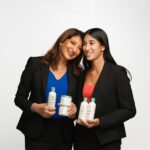
When founder Joelle Weinand decided to build a better-for-you chocolate milk, she wasn’t just chasing another wellness trend. She was chasing permission. Permission for adults to enjoy something they loved as kids without guilt.
Permission to be a little weird about it. And permission to do it on their own terms, no apologies necessary.
That’s Nutcase in a nutshell.
What started as a simple insight into a market gap has evolved into something far more ambitious. Nutcase isn’t just a chocolate milk alternative made from a creamy cashew base. It’s a brand built on irreverence, backed by legitimate health credentials, and amplified by some prominent personalities in entertainment and gaming.
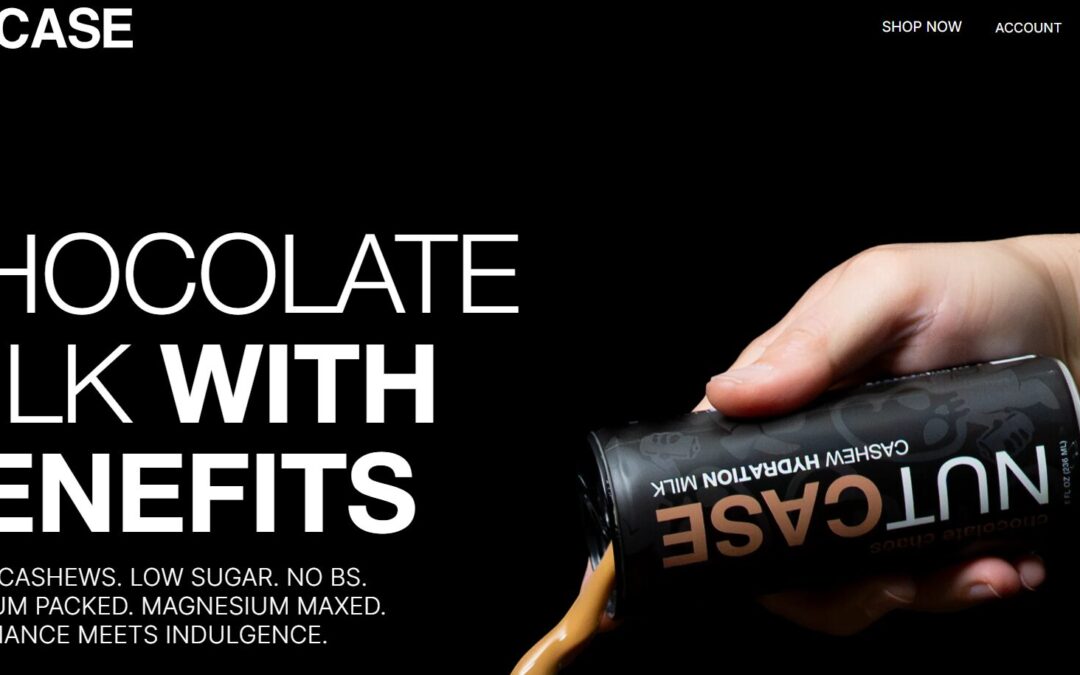
Think Liquid Death meets functional beverage, wrapped up in a black can with a cashew-shaped skull mascot that refuses to apologize for existing.
The Market: A Category Ripe for Disruption
The chocolate milk category is bigger than most people realize. The global chocolate milk market is estimated at approximately $19.42 billion in 2025 and is projected to reach nearly $28 billion by 2030, growing at a 7.58% annual rate.
Yet the category is dominated by a handful of legacy players with entrenched market positions. Nestle’s Nesquik remains the perennial leader in traditional chocolate milk, particularly among younger consumers, who associate it with childhood memories and school lunch boxes.
On the better-for-you side, Fairlife (owned by Coca-Cola) has emerged as a successful premium player, with its Core Power protein shake brand becoming a popular staple at many grocery stores and positioned specifically for post-workout recovery. These two categories rarely competed directly until now.
Traditional chocolate milk owned the nostalgia-and-convenience angle. Better-for-you chocolate milk owned the functional fitness positioning.
Nutcase arrives with a radically different message: you don’t have to choose between them. You can have the taste you loved as a kid with the nutritional substance that actually delivers. That gap is where Nutcase lives.
The Insight: Nostalgia Without Compromise
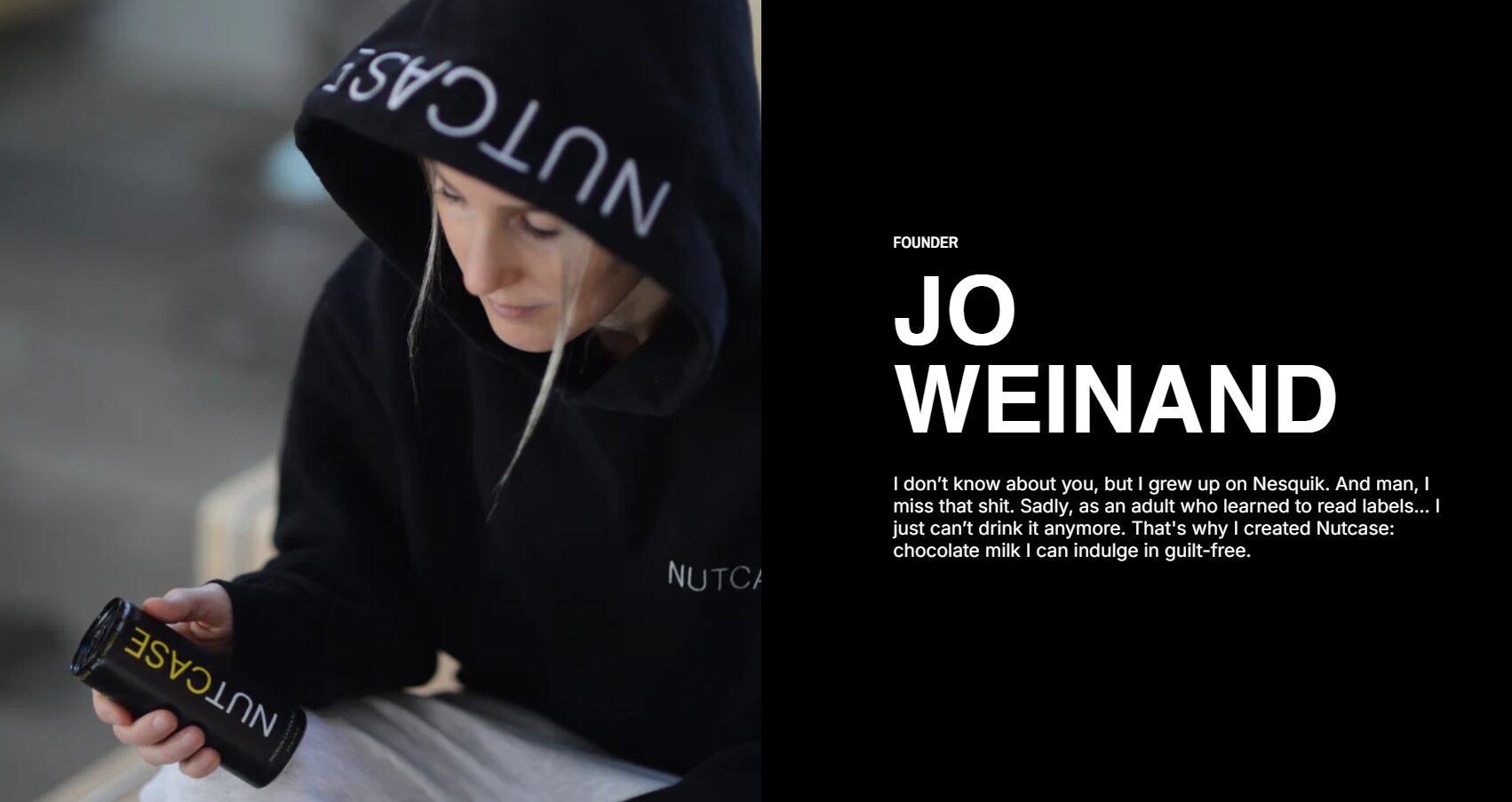
The origin story is refreshingly straightforward. Joelle (Jo) wanted chocolate milk that tasted like the Nesquik of her childhood but actually provided nutritional value.
The version 1 formula was polarizing enough to warrant a pause, but that moment became clarified rather than defeated. The V2 that followed addressed both flavor and macros with the kind of conviction only a founder who truly believes in her product can bring.
The positioning is simple but powerful: “Permission to enjoy chocolate milk again.”
In a market saturated with “guilt-free” products that taste like punishment, Nutcase arrives with a different message. This is an indulgence that happens to be genuinely good for you.
The formula naturally contains potassium and magnesium, addressing nutrient deficiencies most people don’t even think about. It’s packed with electrolytes, up to five times more per ounce than most sports drinks. And it comes in three flavors that feel genuinely considered: Chocolate (the classic), Strawberry (Steve Aoki’s personal favorite), and Vanilla Churro (a flavor combination most brands would nervously pass on).
The clean label credentials are legitimate.
- No seed oils.
- No carrageenan.
- No sucralose.
- No dairy.
- No artificial anything masquerading as something else.
It’s the kind of ingredient list that doesn’t require a chemistry degree to understand, which in the modern beverage space feels almost revolutionary.
Key Insight #1: Personality as Differentiation
Here’s where Nutcase gets interesting. The brand’s identity is intentional and unapologetic in ways that most CPG brands spend focus groups trying to tone down.
“Lean into whatever makes you weird, different. Be yourself, be a Nutcase.”
That’s not flavor copy or some vague brand promise.
That’s the actual ethos driving design decisions, from the black can deliberately positioned to disrupt the earthy, eco-hippie aesthetic of competing plant-based milks, to the intentionally crude humor on the website, to the mascot itself: a skull with a cashew for a head.
This personality isn’t for everyone, and that’s the point. In an increasingly fragmented market, Nutcase is choosing its tribe rather than trying to appeal to everyone. The irreverent tone doubles as a filter, attracting customers who are tired of wellness culture that whispers apologies, as well as founders and partners who actually believe in the weirdness.
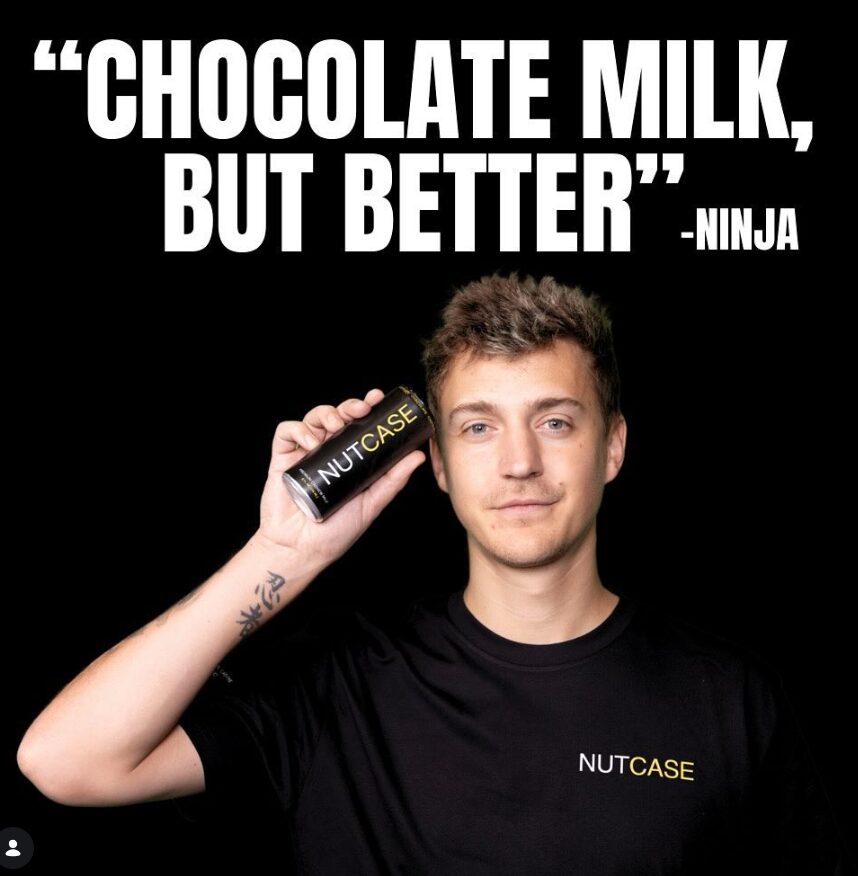
That’s why the partnership roster reads like a who’s who of high-energy personalities who don’t fit the traditional “wellness influencer” mold. Ninja (Tyler Blevins) and Steve Aoki aren’t celebrities lending their name for a check. They’re personalities whose actual energy and refusal to play by conventional rules mirror the brand’s own irreverence.
Ninja (Tyler Blevins) is an American online streamer and professional gamer who rose to fame after playing Fortnite Battle Royale in late 2017, becoming one of the most influential streamers in the world. He has over 19 million followers on his Twitch channel, making it the third most-followed Twitch channel as of July 2025
But his endorsement rings authentic because Nutcase’s brand personality genuinely matches his own. “I have a massive sweet tooth,” he said. “Nutcase satisfies my sweet fix. So delicious. Finally found a drink I feel good about sharing with my fans.”
Steve Aoki is an American DJ and music producer with 12 million Instagram followers, and he’s famous for his high-energy electronic dance music performances and his signature move of throwing cakes into the crowd during his concerts. He has over 25 million followers across all social media platforms
Steve Aoki chose strawberry as his go-to, and that genuine product preference is amplified across his platform in ways that feel credible rather than transactional. These partnerships work because personality alignment matters more than follower count.
Key Insight #2: The Retail Strategy is About Scale, Not Prestige
Nutcase’s go-to-market strategy reveals an essential insight into how modern beverage brands think about growth. The brand is currently running a 30-store Whole Foods “Innovation Playground” trial in West Coast markets (Los Angeles, San Francisco, Phoenix, Vegas). Still, the ultimate target isn’t staying premium-positioned in specialty retail.
The goal is clear: secure a national retailer.
Although Jo didn’t mention who she is discussing with, the usual suspects would be Walmart. Target. Costco.
Somewhere that moves volume and effectively activates celebrity partnerships. And that activation piece is crucial. A personality like Ninja has a fan base in the tens of millions. That audience doesn’t shop exclusively at specialty retailers. To truly leverage celebrity partnerships at scale, you need distribution that matches the audience size.
This is where many DTC-first brands stumble. They optimize for margin and brand purity, and end up accidentally cornering themselves. Nutcase is thinking bigger. The immediate focus on a limited retail footprint serves a specific purpose: to prove the product works, gather data, refine merchandising, and then move aggressively into mainstream distribution.
The long-term play also includes food service as a growth channel, which opens another avenue for discovery and volume. And in development is a powdered version designed to reduce shipping costs, directly compete with Nesquik’s traditional format, and improve D2C margins.
That’s strategic thinking that goes beyond beverage. It’s built to support multiple formats and customer segments simultaneously.
Key Insight #3: DTC Brands Can Own Lifestyle Without Losing Soul
Walk through Nutcase’s website or Instagram, and you’ll notice something most young beverage brands are still figuring out: the brand extends beyond the drink itself. Apparel. Bundles. A deliberately cultivated culture around the idea that weird is good, that being yourself is the whole point, that you don’t need permission to be a nutcase.
This lifestyle positioning could easily tip into parody or feel forced.
Instead, it reads as authentic because it’s built on a genuine insight into the customer. These aren’t aspirational lifestyle aesthetics borrowed from other brands. The black can, the skull mascot, the crude humor, the irreverent voice, the apparel that actually looks like something people want to wear—it all connects back to a core belief about who the customer is and what they actually value.
The challenge, as Joelle knows, is maintaining that authenticity as the brand scales from direct-to-consumer to retail to national distribution.
That’s where most personality-driven brands lose the thread. They start as weird and scrappy and credible, then suddenly they’re everywhere, and they’re not odd anymore. They’re trying to appeal to everyone, which means they appeal to no one.
Nutcase will face that test soon enough.
But the foundation is intentional enough to have a fighting chance. The brand didn’t build personality on top of the product. It built a product on a genuine philosophy of indulgence, health, and irreverence.
The Moment We’re In
The broader beverage category is in the middle of a major reshape.
Consumers are tired of products that make them feel guilty. They’re tired of “health” products that taste like punishment. They want indulgence that actually delivers on nutrition. They want brands that don’t apologize for existing or try to be everything to everyone.
Nutcase arrives at that moment with a clear point of view, legitimate product credentials, and a marketing strategy that amplifies authentic partnerships rather than buying endorsements.
Will it disrupt the chocolate milk category the way Goodles disrupted Kraft Mac and Cheese, or the way Chomps challenged Slim Jims?
It’s too early to know. But the brand is asking all the right questions and building with intention rather than trend-chasing.
And if nothing else, at least when you crack open a Nutcase, you won’t feel like you’re doing something you shouldn’t. You’ll feel like you’re finally doing something that makes sense.
Are you a Nutcase?
Connect with Jeff at The Marketing Sage Consultancy. Interested in setting up a call with me? Use my calendly to schedule a time to talk. The call is free, and we can discuss your brand and marketing needs.
Would you like to read some testimonials about my work? Click here.
If you want to learn more about my new offering, The Trusted Advisor Board, click here for details. Feel free to email me at jeffslater@themarketing sage.com or text 919 720 0995. Thanks for your interest in working with The Marketing Sage Consultancy.
.