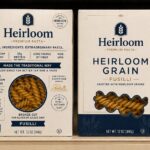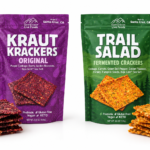
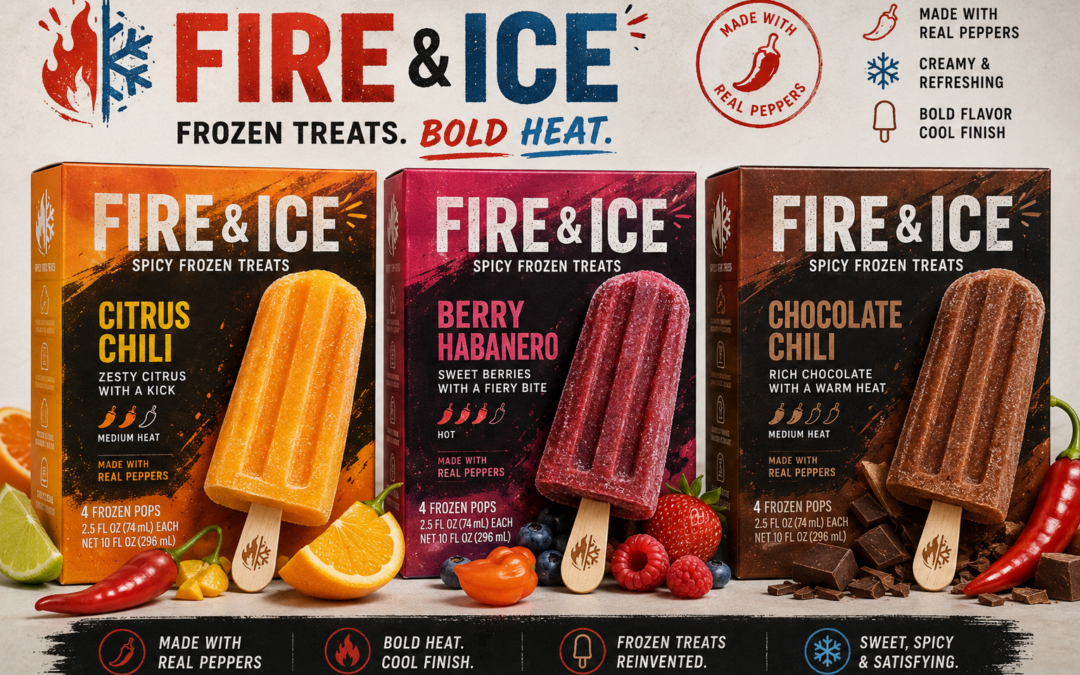
A few months ago I stood in front of a hot sauce wall at a specialty grocer near me and counted.
Forty-one bottles. Forty-one.
Ghost pepper. Habanero. Carolina Reaper. Fermented jalapeño. A skull on the label here, a flame on the label there, a guy in sunglasses eating a wing on almost every third one.
I picked up six bottles in a row and read the back panel of each. Vinegar, peppers, salt, garlic. Vinegar, peppers, salt, garlic, and a little sugar. The wording changed. The story underneath it didn’t.
That wall of forty-one bottles is not a hot sauce problem.
It’s every category problem.
Bars, seasonings, snacks, sauces, drinks. Give an industry ten years and a hundred entrepreneurs, and you get a shelf where everyone is technically different and functionally the same.
This is the exact situation I get called into most often.
A founder or a brand team has a good product, sometimes a great one, and they’ve hit a wall. Not a sales wall. A sameness wall. They’re competing on the same three or four dimensions as everyone else, and every year it gets more expensive to win that fight.
Here’s how I actually approach that problem when a client brings it to me.
Start With What the Category Has Trained People to Ignore
Every mature category has a set of claims that once meant something but now mean nothing. In hot sauce, that’s heat level. Every bottle screams about its Scoville rating like it’s the only thing that matters, and consumers have gotten so numb to it that an “extreme” claim barely registers anymore.
That numbness is actually useful information.
It tells you where the crowded middle of the category lives, and by extension, where it doesn’t. If forty-one bottles are all fighting over who is spicier, nobody is fighting over anything else. That’s not a weakness in the category. That’s a map with most of the territory unclaimed.
I tell every new product innovation client the same thing here: don’t try to win the fight everyone else is already having.
Look at what the fight is distracting people from.
Then Look at What’s Happening Next Door
The next step isn’t more time in the category. It’s time outside of it.
I spend a lot of my research walking categories that have nothing obviously to do with the one I’m working on. For a hot sauce project, that means the fermented foods aisle, the freezer case, the cocktail mixer section, the breakfast condiment shelf, even the skincare aisle, because capsaicin shows up there too.
I’m not looking for competitors.
I’m looking for behavior that hasn’t yet found its way into this category.
Three things tend to show up in that kind of research, and they showed up here too.
Fermentation has gone mainstream in almost every food category except hot sauce, even though hot sauce has fermented roots going back centuries. Gut health claims are everywhere except on a pepper sauce label.
And the breakfast occasion- eggs, avocado toast, breakfast tacos- is one of the biggest hot sauce moments in a person’s day, yet almost no bottle on that wall was built or marketed specifically for the morning.
None of that is a new ingredient. It’s an old ingredient looking for a new job.
Build the Idea Around an Occasion, Not a Flavor
This is the part that separates a real platform from a flavor extension. Most food companies innovate by asking, “What’s a new flavor we haven’t done yet?” Mango habanero. Blueberry chipotle. That’s a line extension, not innovation. It fills a gap on the shelf, but it doesn’t give the shopper a new reason to buy.
The better question is, “What moment in someone’s day or week does this category not currently own?”
For a hot sauce brand, that could look like a few different directions.
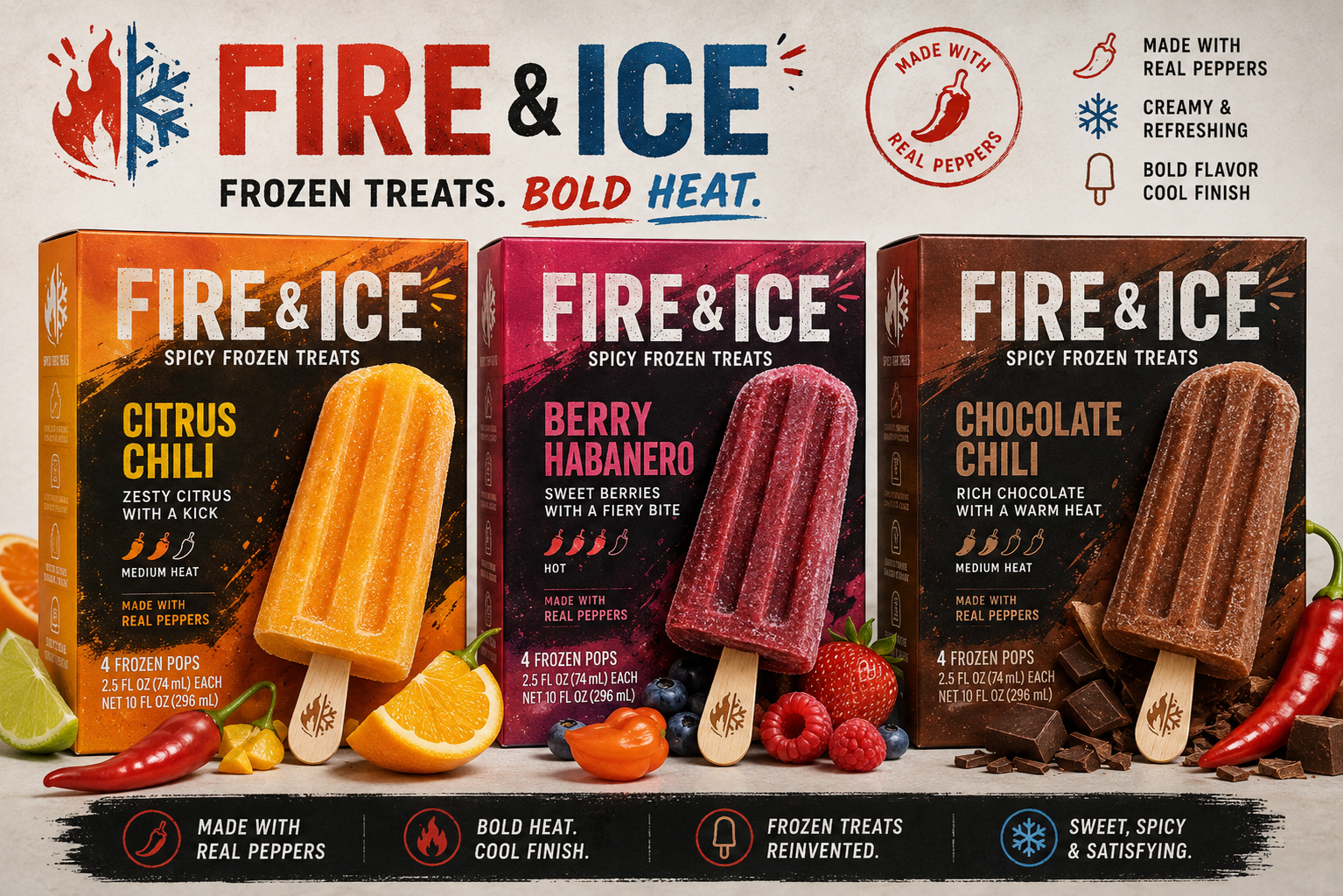
Bring hot sauce to the freezer aisle where NO ONE SELLS HEAT. This is an idea that would attract hot sauce connoisseurs to a new aisle.
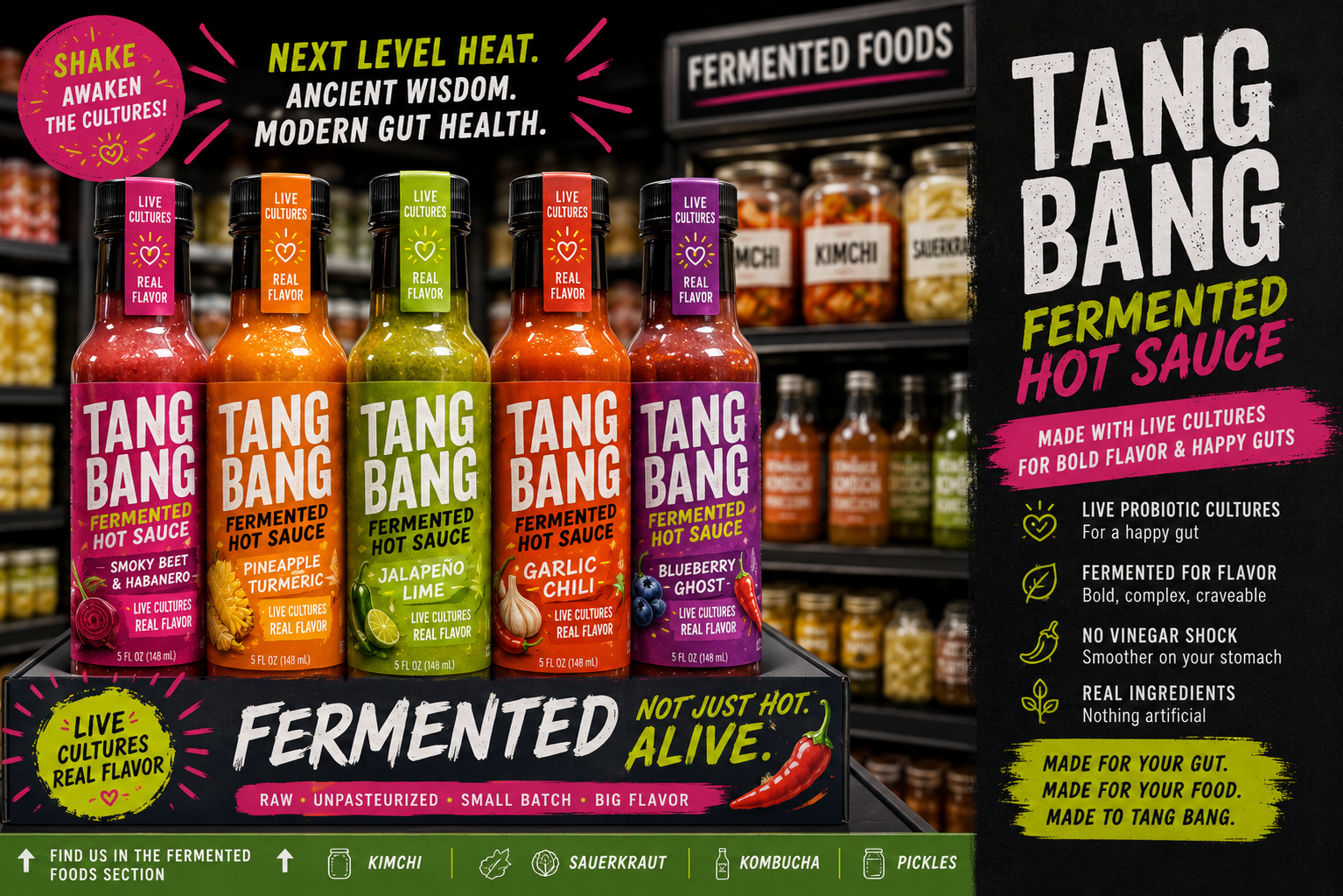
A fermented hot sauce line was built and marketed the way kombucha or kimchi is, with live cultures called out on the front of the label instead of buried in the ingredient list, and sold next to other fermented foods rather than only in the condiment aisle.
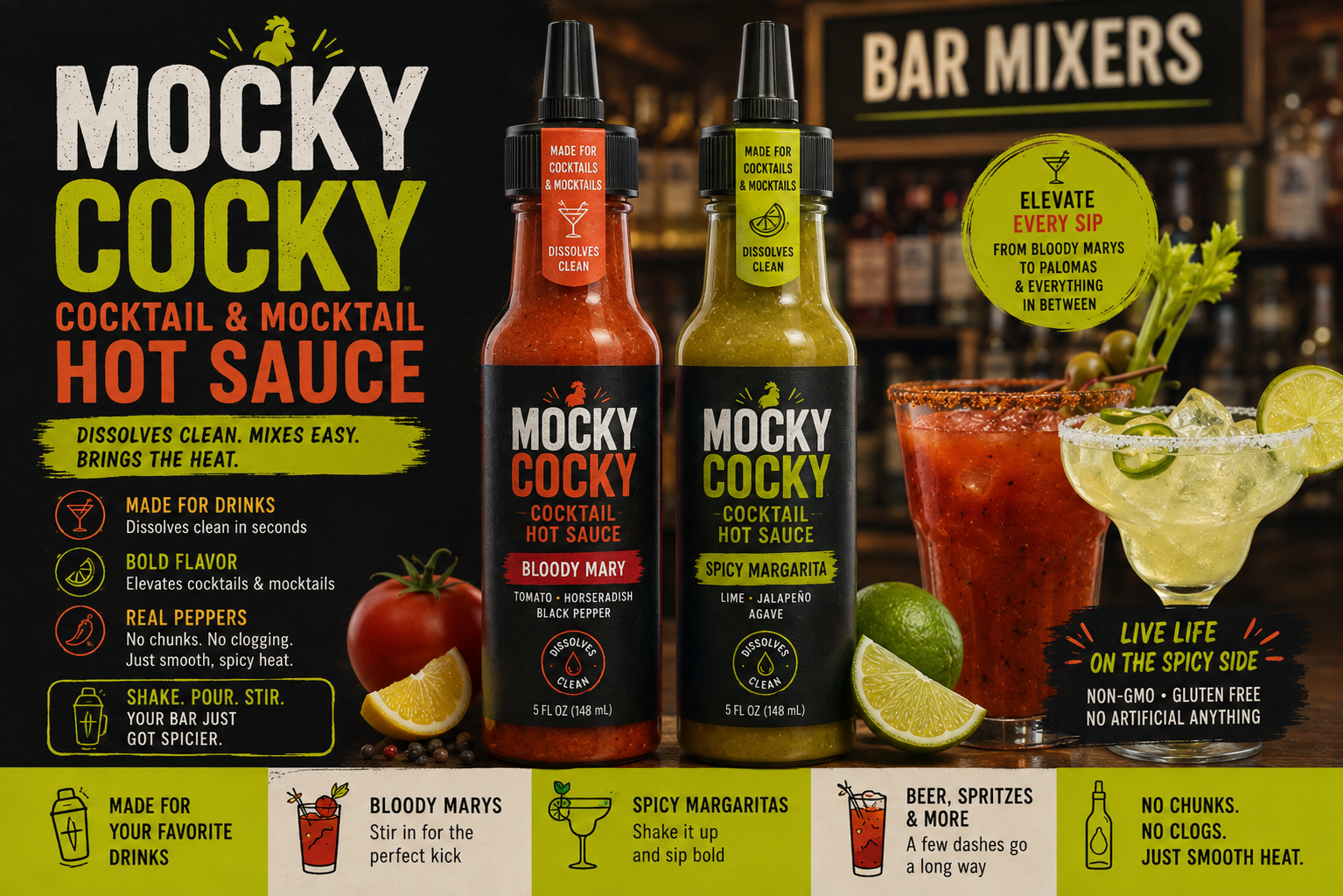
And a cocktail and mocktail hot sauce, thinner, built to dissolve cleanly into a Bloody Mary or a spicy margarita, sold near the bar mixers instead of the marinades. A hot sauce made for making spicy mocktails.
Same core product. Same pepper mash, roughly. Three completely different reasons to buy, three completely different shelves, three completely different customers.
This is usually the point in a new product innovation engagement where I bring a client a handful of visual concepts, mockups of what each of these platforms could actually look like on a shelf, so we’re not talking about ideas in the abstract. The illustrations help demonstrate the positioning and/or where the product would be sold in store.
Pressure Test Every Idea the Same Way
I don’t fall in love with an idea just because it’s different. Different isn’t automatically good. I run every concept through the same five questions before it goes any further.
Is this something someone buys often, or once and forgets about? Is the underlying trend big enough to matter in five years, not just this one? Is anyone already doing this well, and if so, how crowded is it really? Does this feel like something the brand would credibly make, or does it feel borrowed from somewhere else? And can a co-packer or manufacturing partner actually produce this without years of process development?
That last one matters more than founders usually want it to. I’ve watched brilliant ideas die in development because nobody checked feasibility before falling in love with the concept. A fermented hot sauce line sounds elegant right up until you learn how much more process control fermentation requires than a straight vinegar-based sauce. That’s not a reason to kill the idea. It’s a reason to know the tradeoff going in instead of finding out the hard way six months later.
The Real Job Isn’t Inventing a New Category
Here’s the thing I want every client to understand before we start. I’m not trying to convince a hot sauce company to stop making hot sauce. I’m trying to help them find the version of hot sauce nobody else has built yet, using an occasion, a trend, or a piece of consumer behavior the rest of the category has walked right past.
The best brands I’ve studied over the years didn’t win by inventing something from nothing. They won by taking something familiar and putting it somewhere new. A cereal brand becomes a protein brand. A soda becomes a gut health drink. A meat stick becomes a clean-label snack: same shelf, same basic format, completely different reason to pick it up.
That’s the work. Not chasing novelty for its own sake and finding the door in a wall that looks solid from the outside.
Three Key Takeaways
1. Category fatigue is a map, not a dead end. When every brand on a shelf is competing on the same claim, that’s not proof the category is played out. It’s proof of where the unclaimed territory sits. The louder everyone shouts about one thing, the quieter it gets everywhere else.
2. Innovation lives at the intersection of an old product and a new occasion. New flavors fill gaps. New occasions create demand. Before asking what ingredient to change, ask what moment in the customer’s day or week the category doesn’t currently own.
3. A good idea still has to survive real scrutiny. Purchase frequency, trend durability, competitive crowding, brand fit, and manufacturing feasibility. Run every concept through the same five questions, every time, before it leaves the whiteboard.
That hot sauce wall will still have 41 bottles on it next year. Most of them will still be arguing about who’s spicier.
The one that finally breaks through won’t be the one shouting the loudest about heat.
It’ll be the one that found a moment nobody else thought to claim.
Need help with new product innovation? I can help.
Connect with Jeff at The Marketing Sage Consultancy. Interested in setting up a call? Use my calendly to schedule a time to talk. The call is free, and we can discuss your brand, marketing needs, and challenges.
Feel free to email me at jeffslater@themarketing sage.com or text 919 720 0995. Thanks for your interest in working with The Marketing Sage Consultancy.