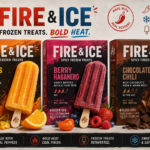
The energy drink aisle has long been a testosterone-fueled battlefield of aggressive branding, extreme sports imagery, and messaging that screams “NOT FOR WOMEN.” Walk down any beverage aisle and a sea of black cans will confront you with lightning bolts, skulls, and marketing copy that could double as pre-workout battle cries.
Into this overwhelmingly masculine landscape stepped Michelle Cordeiro Grant, an entrepreneur who saw what others missed: women deserved better.
Her answer?
An energy drink brand that dares to speak directly to female consumers in a category that has historically ignored half the population. While Cordeiro Grant wasn’t new to building brands, having previously founded and sold lingerie company LIVELY for $105 million, the beverage industry was uncharted territory. What she brought instead was something far more valuable: proven expertise in understanding female consumers and the audacity to challenge entrenched category conventions.
The numbers tell a compelling story about why Grant’s timing was perfect.
The global energy drinks market size was estimated at USD 79.39 billion in 2024 and is projected to reach USD 125.11 billion by 2030, representing massive growth potential. In the United States alone, the market is estimated to be worth $23.9 billion in 2024, with continued expansion expected over the next five years.
A Glaring Blind Spot
Yet despite this enormous market opportunity, the demographic breakdown reveals a glaring blind spot. Men account for nearly 60% of energy drink consumers, while young men consume energy drinks alone and mixed with alcohol more often than young women. This gender gap isn’t just a coincidence; it’s the direct result of decades of marketing that alienated female consumers through hyper-masculine positioning and imagery that suggested energy drinks were exclusively a “guy thing.”
Energy drink brands often use marketing strategies that target men, associating their products with athleticism, strength, and an active lifestyle. Although women are every bit as athletic, strong, and active, the current brands have explicit imagery targeting bros.
Here are some of the top energy drinks that are particularly popular with, or marketed toward, males:
Macho Energy Drinks
- Monster Energy: Known for its strong branding and association with extreme sports and activities, Monster is a highly popular choice among men. Monster uses a male-centered marketing approach to convey the message that men can engage in these activities by consuming the energy drink.
- Red Bull: Red Bull is a dominant player in the energy drink market and has a strong presence in male-dominated sports and activities. Their marketing often features men engaging in high-risk sports, aligning their product with a sense of adventure and performance.
- Rockstar Energy: Rockstar also employs a male-centered marketing approach, targeting young adult males and positioning itself as a powerful energy boost for active lifestyles.
- Reign Total Body Fuel: Reign is marketed as a fitness and performance drink that supports intense workouts and recovery, with a strong appeal to men who engage in physical training.
- C4 Energy: Initially a workout supplement, C4 Energy has evolved into a full-fledged energy drink that includes ingredients that enhance physical performance, making it popular with gym-goers and athletes.
- Liquid Death Energy – new to the category but clearly focused on the male demo.
Cordeiro Grant recognized what major brands had missed: this wasn’t a problem with female demand, but rather a problem with female-focused supply. Women needed energy just as much as men, but they weren’t seeing themselves reflected in the available options. The traditional energy drink playbook, featuring extreme sports, aggressive typography, and dark packaging, created an invisible barrier that kept women from fully embracing the category.
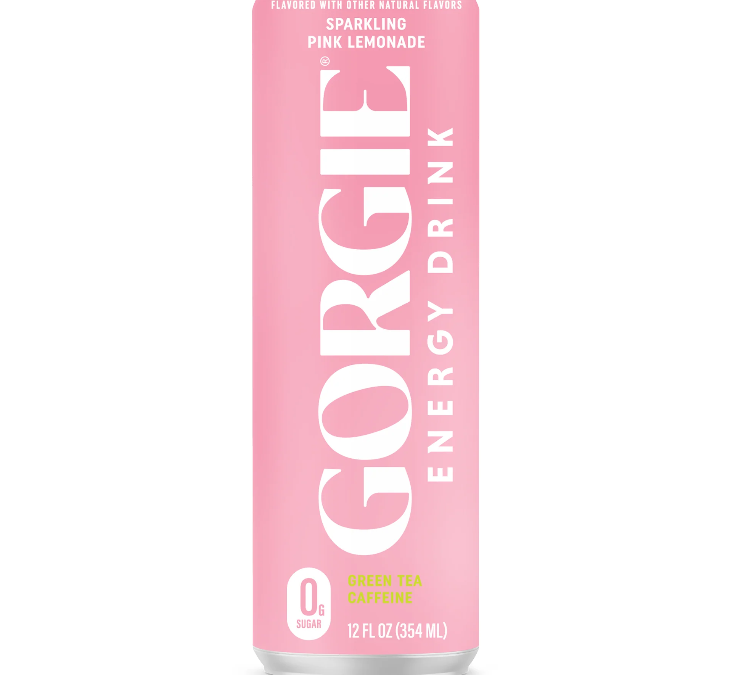
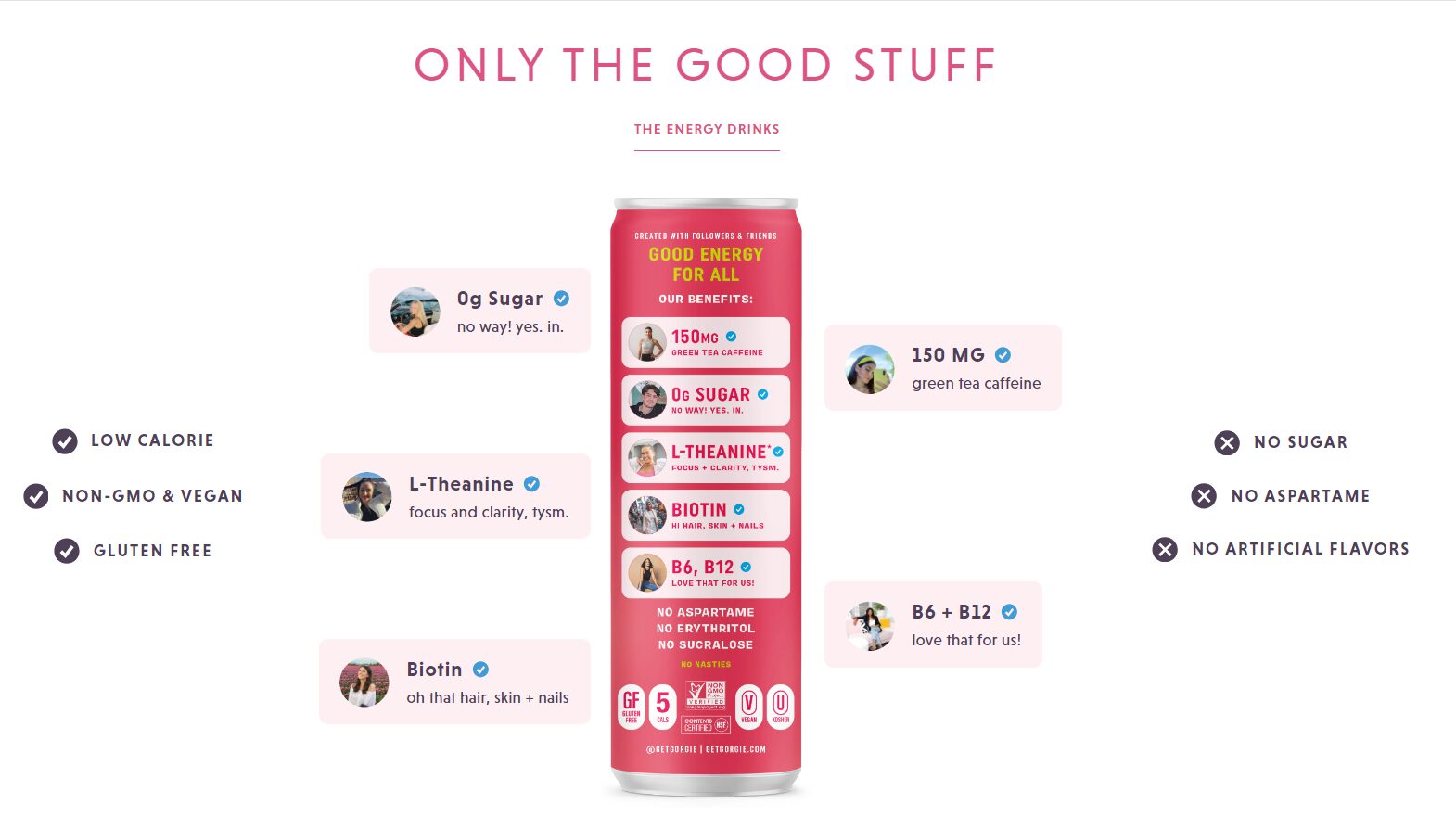
Enter ‘s strategic differentiation through visual identity and product positioning. While established players doubled down on black, silver, and electric blue packaging that screamed aggression, they made a bold choice: vibrant, colorful cans with playful branding that immediately communicated feminine appeal and wellness focus. This wasn’t just a matter of aesthetic preference; it was a strategic disruption. Positioned itself as wellness-forward energy with benefits like green tea caffeine, zero sugar, and added nutrients for hair, skin, and nails.
A Brilliant Packaging Choice
The packaging choice was brilliant precisely because it was differentiated without being alienated. Its colorful, wellness-focused aesthetic in the energy drink category was so unexpected that it forced consumers to pause and reconsider their assumptions. For female shoppers, it provided immediate visual permission to engage with the category. For retailers, it offered clear differentiation that could drive impulse purchases and expand their customer base.
But Cordeiro Grant’s strategy went deeper than packaging aesthetics.
She understood that women’s relationship with energy and wellness differed fundamentally from the traditional male-oriented positioning. While men’s energy drink marketing focused on extreme performance and pushing limits, women were more interested in sustained energy, mental clarity, and ingredients that aligned with their wellness goals. It positioned itself with messaging like “good energy club” and formulations that included benefits beyond just caffeine.
The timing couldn’t have been better, and the results speak for themselves. Gorgie became the fastest-growing energy drink in the natural channel in 2024, driving a 20% increase in the category. The brand has expanded to over 1,900 Target stores and has customers ordering every 7.9 days on average, with orders shipping to every state monthly.
Raising the Funds
Most impressively, it has raised a total of $37 million in funding, including a recent $24.5 million Series A round led by Notable Capital in April 2025.
These numbers represent more than just business success; they validate Cordeiro Grant’s thesis that the energy drink category was fundamentally underserving female consumers. Female consumers are now driving growth in energy drinks, with brands like CELSIUS reporting roughly 50/50 male/female consumer breakdown, while Alani Nutrition’s consumer base is 95% women. This shift represents a fundamental change in category dynamics, creating space for brands that understand the unique needs and preferences of female consumers.
Cordeiro Grant’s background in building LIVELY, while not in beverages, became her competitive advantage. Her previous success demonstrated that she understood how to create community-driven brands that resonated with female consumers. LIVELY had grown to over 165,000 brand ambassadors before its $105 million acquisition, demonstrating her ability to create authentic connections with women. This expertise in female-focused brand building translated perfectly to the energy drink category’s opportunity.
Hidden Opportunities
The broader lesson here extends far beyond energy drinks.
Categories that appear saturated often contain hidden opportunities when viewed through the lens of underserved demographics.
The key is identifying where category conventions have created artificial barriers to specific consumer segments. Cordeiro Grant found that barrier in masculine positioning and broke through with intentionally feminine-friendly design and wellness-focused messaging.
Gorgie’s emergence also highlights the power of authentic brand building in an age of corporate sameness. While major beverage companies conduct focus groups and market research to minimize risk, Grant trusted her instincts about what female consumers wanted. This authentic approach resonated because it stemmed from a genuine understanding rather than a manufactured positioning.
The energy drink category’s evolution toward greater female inclusion represents a broader shift in the consumer goods industry. As women’s purchasing power continues to grow and traditional gender roles evolve, brands that cling to outdated masculine positioning risk being left behind. Innovative companies are recognizing that inclusive marketing isn’t just socially responsible; it’s economically essential.
What Grant’s Success Demonstrates
Grant’s success with Gorgiee proves that industry experience, while valuable, isn’t always necessary for market disruption. Sometimes the most significant innovations come from outsiders who see possibilities that insiders have become accustomed to ignoring. Her willingness to challenge category norms created space for a brand that serves consumers who had been systematically excluded from the conversation.
The visual identity strategy deserves particular recognition for its strategic brilliance. In marketing, differentiation often requires making choices that create stronger appeal for your target demographic while standing out from category conventions. A wellness-forward aesthetic and community-driven approach created a powerful attraction for women who had never felt welcome in the energy drink category, as evidenced by customers reordering every week and the expansion to nearly 2,000 stores.
As the energy drink market continues its rapid growth trajectory, brands that understand the importance of inclusive positioning will capture disproportionate value. Cordeiro Grant’s vision wasn’t just about creating another energy drink; it was about expanding the entire category by welcoming consumers who had been inadvertently excluded, while building a sustainable business model that has attracted significant investor interest.
The success of female-focused energy brands signals a permanent shift in category dynamics. Women aren’t just adopting energy drinks despite masculine positioning; they’re actively seeking alternatives that speak to their specific needs and aesthetic preferences. This creates sustained competitive advantage for brands like those that recognized and addressed this gap early, as evidenced by their rapid retail expansion and strong repeat purchase behavior.
Three Key Takeaways for Aspiring Beverage Brand Founders
1. Demographic Gaps Are Growth Opportunities: Don’t just look at market size; examine who’s being underserved within that market. The energy drink category’s focus on male consumers has created a significant opportunity for brands willing to serve female consumers authentically. Study your target category’s demographic breakdown and identify segments that existing players are ignoring or poorly serving.
2. Visual Differentiation Drives Discovery: In crowded retail environments, packaging serves as your first and often only chance to communicate brand positioning. Gorgie’ss pink cans weren’t just aesthetically pleasing; they were strategically disruptive in a category dominated by dark, aggressive imagery. Select visual elements that convey your unique value proposition and target demographic.
3. Proven Brand-Building Beats Industry Experience: While beverage industry expertise has value, Michelle Cordeiro Grant’s success demonstrates that deep consumer understanding and proven brand-building capabilities can be more powerful differentiators. Her track record of building LIVELY into a community-driven brand with 165,000 ambassadors translated directly to success in creating customer loyalty (7.9-day repeat purchase cycles) and rapid retail expansion. Focus on mastering your target consumer’s needs and building an authentic community rather than trying to replicate existing industry best practices.
Seeing The Opportunities
In the end, GORGIE’s story isn’t just about disrupting the energy drink category; it’s about the power of seeing opportunity where others see impossibility. Michelle Cordeiro Grant looked at a $79 billion market dominated by masculine messaging and saw millions of women who simply wanted to belong.
She didn’t try to out-extreme the competition or create a “pink version” of existing products. Instead, she built something fundamentally different: a brand that made energy drinks feel like they were created by women, for women. The $37 million in funding and expansion to nearly 2,000 stores proves that sometimes the most significant opportunities hide in plain sight, waiting for someone brave enough to serve the underserved. When you find a category’s blind spot and fill it authentically, you don’t just build a business—you build a movement.
Connect with Jeff at The Marketing Sage Consultancy. Interested in setting up a call with me? Use my calendly to schedule a time to talk. The call is free, and we can discuss your brand and marketing needs.
If you want to learn more about my new offering, The Trusted Advisor Board, you can click here to learn the details. Feel free to email me at jeffslater@themarketing sage.com or text 919 720 0995. Thanks for your interest in working with The Marketing Sage Consultancy.