The functional beverage space is more crowded than ever.
Every day, consumers face an endless array of options promising energy boosts, gut health benefits, and clean ingredients. Olipop, Poppi, and newer entrants are battling for shelf space in natural foods retailers and mainstream grocery stores alike. So, when a startup enters this market with a product that lacks the buzz of established categories and consumer awareness of its core ingredient, success feels nearly impossible.
Yet Alldae Superfruit Soda is proving otherwise.
The brand, founded by Ryan McDonnell, has quietly built momentum through a refreshingly thoughtful go-to-market strategy that prioritizes consumer education, authentic storytelling, and strategic channel selection. Rather than chasing every opportunity or relying solely on health claims, McDonnell has engineered a disciplined path to growth that treats awareness and traction as separate problems requiring distinct solutions.
The Problem: Consumer Confusion About Cascara
Most founders in the natural beverage space try to educate consumers about their ingredients and then push for distribution. McDonnell is doing something different. He’s approaching the market with radical honesty about consumer psychology.
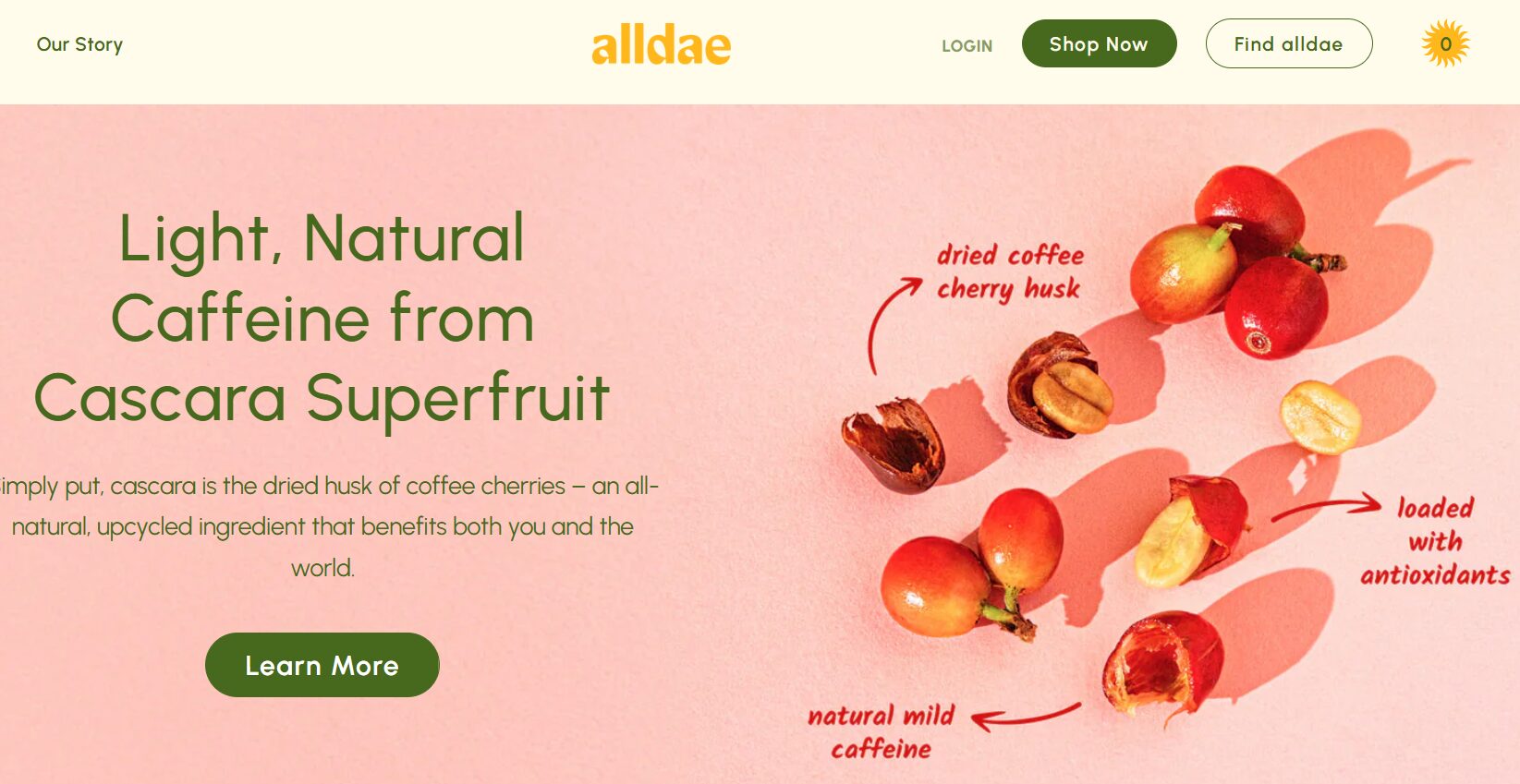
The core of Alldae is cascara, the dried fruit of coffee cherries. It’s an upcycled byproduct of coffee production with genuine benefits: natural caffeine, antioxidants, and a compelling sustainability story.
But early research revealed a critical insight that changed everything. When consumers heard the word “coffee,” they expected the drink to taste like coffee, even when marketing materials and product descriptions said otherwise. That association created immediate, insurmountable friction.
The solution was a rebrand and reformulation.
The company moved cascara down the visual hierarchy on the label and renamed the product line from Alldae Cascara to Alldae Superfruit Soda.
The messaging shifted from ingredient-first to category-first. Now, at a glance, consumers see a fruit-based sparkling beverage, not a coffee product. This wasn’t a capitulation to market preferences. It was strategic clarity.
McDonnell understood that getting people to care about the product came first. The cascara story, the sustainability angle, and the coffee fruit narrative could come later in the conversation, once consumers had already experienced the product and understood why they should care.
This kind of restraint is uncommon in CPG marketing, where founders often want to lead with the most innovative or differentiated aspect of their offering. McDonnell’s approach demonstrates something more sophisticated: patience with the sales funnel and recognition that different messages work at different moments in the customer journey.
The Product Strategy: Clean Formulation in a Category Full of Trade-offs
The functional beverage category has been defined by compromises. Brands like Poppi and Olipop built loyal followings by removing certain harmful ingredients but often leaned on non-nutritive sweeteners like stevia, monk fruit, or erythritol to hit calorie targets. Many consumers find these sweeteners create an artificial aftertaste that undermines the entire value proposition of choosing a “cleaner” beverage in the first place.
Alldae took a different approach.
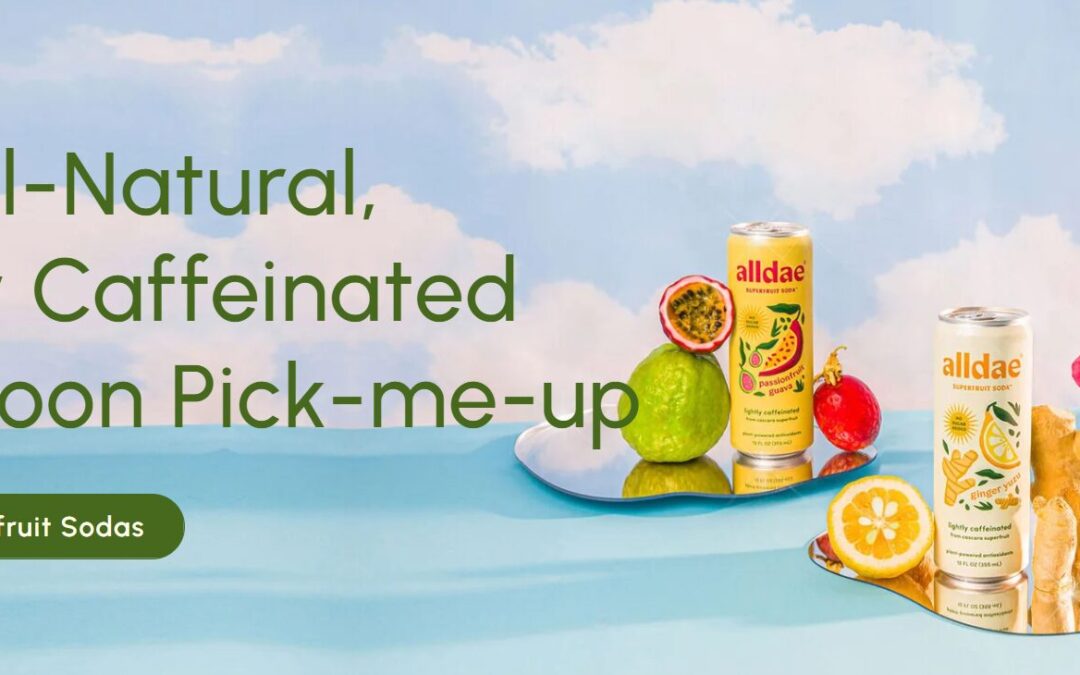
The product is formulated with real fruit juice as the sweetener, contains roughly 60 calories per can, and uses approximately five ingredients per flavor. Most notably, it avoids all non-nutritive sweeteners entirely. The lineup includes flavors like Passionfruit Guava, Hibiscus Dragonfruit, and Ginger Yuzu, each crafted to taste genuinely refreshing rather than like a compromise between taste and health.
This decision filled a specific gap.
Consumer research shows that frustration with the aftertaste of sugar substitutes is a significant pain point, yet industry buyers and retailers have often overlooked it. While gut-health focused sodas were trending, Alldae spotted a market opportunity by focusing on something more fundamental: a soda that tastes good without tricks or sacrifices.
The product positioning moves away from category-specific health claims and toward a broader promise of clean taste and clean ingredients. That’s harder to defend in marketing copy, but it’s more defensible in consumer experience, which ultimately matters more.
The Go-to-Market Playbook: Building a Billboard Before Building Distribution
Most beverage founders dream of rapid retail expansion. They see success as landing in thousands of stores as quickly as possible.
McDonnell chose a different path.
For roughly 18 months, Alldae focused exclusively on foodservice channels: cafes, hospitals, and other institutional buyers who could generate cash flow and, critically, serve as a brand billboard.
The logic is compelling.
In foodservice, customers encounter the brand in a trusted environment, often recommended or discovered through their daily routine. They purchase repeatedly. Word spreads. The brand builds awareness and credibility before ever approaching a retail buyer.
By the time Alldae approached Whole Foods at the Summer Fancy Food Show, the brand had validation, traction, and a clear positioning. Whole Foods executives immediately saw the potential of cascara as a major opportunity and appreciated that Alldae was focusing on something beyond the saturated gut-health category.
The result was a January 1, 2026, launch in roughly 40 West Coast Whole Foods locations, with a notable early demo: 34 units sold in 4 hours.
This disciplined sequencing reveals an understanding of retail dynamics that many early-stage founders lack. Getting shelf space means little without consumer awareness. Awareness built through foodservice reduces the risk that retailers take when they agree to carry the product.
The strategy also speaks to McDonnell’s capital efficiency. Rather than spending aggressively on consumer marketing to drive demand and then hoping retailers would take notice, he let the product and word of mouth do the work first.
Standing Out Through Authenticity and Strategic Partnerships
In a category crowded with claims and clever packaging, Alldae’s competitive advantage rests partly on what it doesn’t do. The brand doesn’t claim to be a functional beverage in the strict sense, despite the natural caffeine and antioxidants. It doesn’t lead with sustainability messaging, though the upcycled model is core to the business. It doesn’t overpromise health benefits or use data-driven marketing to suggest that a 60-calorie afternoon drink will solve your wellness challenges.
Instead, the brand emphasizes simplicity and authenticity.
The product is what it is: a naturally caffeinated, good-tasting, clean-ingredient soda for the afternoon. That honesty is increasingly rare and increasingly valued by consumers who are fatigued by category jargon and false promises.
Recent validation came in the form of Whole30 approval, marking the first time the program has approved any soda. That recognition signals to consumers that the product aligns with genuine dietary standards rather than marketing narratives. It’s validation that matters because it comes from a trusted third party with rigorous criteria, not from the brand itself.
The Challenges Ahead
McDonnell is candid about where the company stands.
Alldae is evaluating co-man opportunities to balance the anticipated growth and new opportunities ahead. Finding the right manufacturing partner is an essential operational challenge and opportunity.
The brand also faces the ongoing work of scaling distribution beyond the West Coast without losing the authentic, founder-led voice that has defined its early success. How do you maintain brand integrity as you expand nationally? How do you continue the disciplined marketing approach when pressure mounts to spend aggressively on awareness?
With early validation in place, Alldae is now raising capital to support the next stage of growth, including scaling manufacturing partnerships and expanding distribution thoughtfully beyond the West Coast.
These questions are complex, but McDonnell’s thinking so far suggests he’ll approach them with the same strategic clarity that defined the brand’s launch.
Key Takeaways from the Conversation
First, sometimes the most powerful marketing move is naming the problem consumers actually have and solving it directly, rather than leading with innovation for its own sake. McDonnell could have spent years explaining cascara to consumers. Instead, he recognized that the ingredient name was creating friction and changed the positioning. This required ego management and strategic focus but resulted in a product that consumers could immediately understand and desire.
Second, building distribution is not the same as building a brand. The foodservice-first strategy reveals that McConnell understands modern consumer behavior and retail dynamics better than many CPG founders do. Retail expansion without consumer awareness often results in products that move off shelves as quick-selling items rather than beloved brands. Strategic sequencing matters far more than speed.
Third, standing out in a crowded category doesn’t require being the loudest voice or making the boldest claims. It requires solving a genuine problem better than competitors and then having the discipline to communicate that solution clearly. Alldae’s clean formulation and authentic positioning are distinctive precisely because so many brands in the space are cluttered with claims and compromises. Sometimes, less marketing is more effective than more.
The Real Test: From Afternoon Pick-Me-Up to National Habit
The beverage space has produced plenty of products with clever ingredients and thoughtful positioning. What separates the ones that matter from the ones that fade is execution paired with resilience through the awkward middle stages of growth.
McDonnell has demonstrated that he understands the strategic dimensions of building a brand. The question now is whether he can maintain that discipline and clarity as the company faces its next chapter: scaling a Whole Foods pilot, securing the right manufacturing partner, and closing a fundraising gap while investors wait to see if early momentum holds.
If there’s anything the coffee industry should teach beverage founders, it’s that a good story only works if it’s backed by substance.
McDonnell built Alldae backward from this insight, starting with a product that solves a real problem and then letting the cascara story, the sustainability mission, and the founder narrative emerge naturally. That’s not the typical playbook in startup land, where the mission usually comes first and the product follows.
It’s also the reason Alldae feels different from the crowd.
In a market saturated with beverages trying to convince consumers that they’re making a health or environmental choice, here’s a brand that simply asks: “Would you like a good-tasting afternoon soda without the aftertaste?”
That question might sound simple. But in a category where almost everything is solving for something other than taste, simplicity turns out to be the most radical differentiation strategy of all.
Watch this space, all day long.

Connect with Jeff at The Marketing Sage Consultancy. Interested in setting up a call with me? Use my calendly to schedule a time to talk. The call is free, and we can discuss your brand and marketing needs.
Would you like to read some testimonials about my work? Click here.
If you want to learn more about my new offering, The Trusted Advisor Board, you can click here to learn the details. Feel free to email me at jeffslater@themarketing sage.com or text 919 720 0995. Thanks for your interest in working with The Marketing Sage Consultancy.
.