No one wants to read another take on Cracker Barrel logo, especially me.
I’d like to elevate this to a higher, strategic level and ask the question: What is a smart way to think about logo refreshes or redesigns in general, and how can you avoid going crazy?
Every few months, another logo redesign sparks outrage. Sometimes it’s a struggling food brand like Cracker Barrel modernizing its heritage look. Sometimes it’s a carmaker like Jaguar ditching its iconic leaping cat for something flatter and “more digital.” And every time, the internet erupts with opinions. All around us, logos are going loco.
On the surface, these moments look like design debates. But underneath, they’re really about strategy—or the lack of it.
A logo isn’t just artwork. It’s an asset, one that sits at the intersection of recognition, trust, and memory. Mess with it carelessly and you can destroy decades of equity.
So when should a company actually change its logo or name? And when is it just a dumb idea dressed up as “refresh”?
Let’s separate the smart moves from the self-inflicted wounds. Here are seven rules of wisdom from The Marketing Sage, punctuated with examples of brands that got it right—and those that went loco.
7 Ways to Think Strategically About Logos
1. Evolution Beats Revolution
Logos, like people, age. They can—and should—be updated. But the most innovative brands evolve, they don’t detonate.
Take Coca-Cola. Over 130 years, its script has been refined many times, but always carefully. The core shape and style never disappear. Same with Nike’s swoosh. Same with Apple’s Apple. Each refresh feels natural, not shocking.
Contrast that with Gap’s infamous 2010 redesign. The company swapped its timeless blue box and serif font for a generic Helvetica look that consumers instantly rejected. Backlash was so fierce that Gap reverted within a week. The problem wasn’t Helvetica per se—it was revolution without reason.
Jaguar’s recent redesign falls in the same trap. For decades, the leaping cat gave the brand dynamism and recognition. Is it a digital-friendly replacement? A lifeless silhouette. Sleeker, maybe. Memorable, not at all. The change erased equity instead of building it.
Rule of thumb: if your customers already have your logo tattooed in their minds, you don’t need a revolution.
2. Respect the Mental Real Estate
Logos are landmarks in people’s heads. Mess with them lightly and you might survive. Erase them and you’re bulldozing with valuable real estate.
Twitter is the cautionary tale here. The bluebird was one of the most recognizable icons in the world. It had crossed into culture as a verb (“tweet”). That kind of recognition is worth billions. In one stroke, it became “X,” a symbol that means nothing, forcing users to relearn an identity that didn’t need fixing.
Cracker Barrel’s refresh sparked similar reactions. For many loyal customers, the old logo represented nostalgia, comfort, and Americana. The new version, stripped-down and digitized, was technically cleaner but emotionally hollow. People didn’t just dislike it—they felt betrayed, like a piece of their memory was erased.
When you own mental real estate, you’re not just holding a logo. You have memories, a sense of belonging, and habits. Guard it.
3. Form Follows Function
There are legitimate reasons to update a logo, and digital usability is one of them.
Many logos designed in the pre-digital era don’t scale well on mobile screens, apps, or social avatars. Flattening, simplifying, and improving legibility can be strategic—not vanity. Mastercard’s recent evolution is a good case in point. The interlocking red and yellow circles stayed, but the wordmark was simplified and eventually removed entirely in some contexts. The logo became even stronger because it worked better across platforms without sacrificing recognition.
Where brands get into trouble is when they treat “digital readiness” as an excuse to gut character. Jaguar didn’t need to lose its leap to work on a favicon. Cracker Barrel didn’t need to sterilize its rustic charm to appear in an app. Form should follow function, not erase soul.
4. Clarity Beats Clever
Too many rebrands chase cleverness and end up with confusion.
HBO Max’s switch to just “Max” is a textbook case. HBO stood for premium storytelling. It was shorthand for quality. By stripping the name, Warner Bros. Discovery didn’t clarify—they muddied. “Max” could mean anything. Consumers asked, “Is HBO gone? Is this the same service? Why should I care?”
Tropicana made the same mistake in 2009. Its packaging redesign removed the familiar orange-with-a-straw and replaced it with a bland glass of juice. In doing so, Tropicana lost the instantly recognizable image that had anchored it for decades. Sales plummeted by 20% in two months. The company reverted almost immediately.
Confusion is expensive. Cleverness should never come at the cost of clarity.
5. Signal Strategy, Not Boredom
The worst reason to change a logo? The CEO or CMO is tired of looking at it.
Logos are not wallpaper. They’re strategic signals. They should evolve only when the business itself is evolving. New markets, new products, new audiences—those can justify change. Boredom cannot.
Too often, redesigns are weak attempts to generate attention, not genuine signals of transformation. Cracker Barrel’s update smelled more like an attempt to court buzz than a reflection of a more profound brand shift. Consumers can smell the difference. When change is anchored in ego or novelty, not strategy, people feel it instantly.
If your business hasn’t changed, your logo probably shouldn’t either.
6. Test the Edges, Not Just the Boardroom
Many of the worst rebrands could have been avoided with proper testing. Gap’s Helvetica flop? Tropicana’s sales collapse? These weren’t consumer-driven moves. They were boardroom-driven.
Executives and design agencies often mistake their own fatigue for consumer fatigue. Inside the walls, the logo feels stale. Outside, customers see it as stable. Without testing, companies mistake insider perception for reality.
Good testing doesn’t mean handing out a few surveys. It means seeing how changes land with genuine buyers in authentic contexts. Do they recognize you instantly? Do they feel more or less loyal? Do they even notice?
Design is communication. And communication without feedback is gambling.
7. Familiarity Is a Moat
Above all, remember this: recognition is the hardest thing to earn in marketing.
If people can recognize your logo immediately, you’ve built a moat. Competitors envy that. Your customer acquisition costs are lower. Your trust is faster. That familiarity is worth protecting at almost any price.
When Tropicana erased its straw-in-orange, it didn’t just lose a logo. It lost a shortcut in shoppers’ brains. When Twitter abandoned its bird, it didn’t just change its name. It destroyed an icon that people had emotionally invested in.
Logos don’t get stale as quickly as executives think. They get familiar. And familiarity is your moat.
So Why Do Brands Keep Doing This?
Because attention is seductive, a redesign creates headlines. It makes the CEO feel like they’re shaking things up. Agencies love it, it’s lucrative work. And in the short term, the buzz feels like momentum.
But buzz is not brand strategy. The real test is what happens six months later, when the headlines are gone and your customers either feel closer to you or more confused. Most of the time, these “attention” redesigns fade fast—and the damage lingers.
The Sage’s Mini Playbook: Three Questions Before You Change
Here’s a simple checklist that every executive should run before greenlighting a logo or name change:
- What strategic shift are we signaling?
If your business model, audience, or product offering hasn’t changed, a logo overhaul may not be the right move. Cosmetic tweaks without substance rarely pay off. - Will this build more brand equity than it destroys?
Every redesign erases some recognition. Be honest: is the gain in clarity, function, or relevance worth the loss in familiarity? - Have we tested this with the people who matter?
Your customers don’t live in your boardroom. Before you roll out a new identity, put it in front of real audiences and listen. Does it resonate? Confuse? Feel off-brand? Find out before you go live.
If you can’t answer all three with confidence, you’re not ready.
The Final Word
Logo and name changes can be brilliant strategic moves—or catastrophic self-owns. The difference isn’t design taste. It’s discipline.
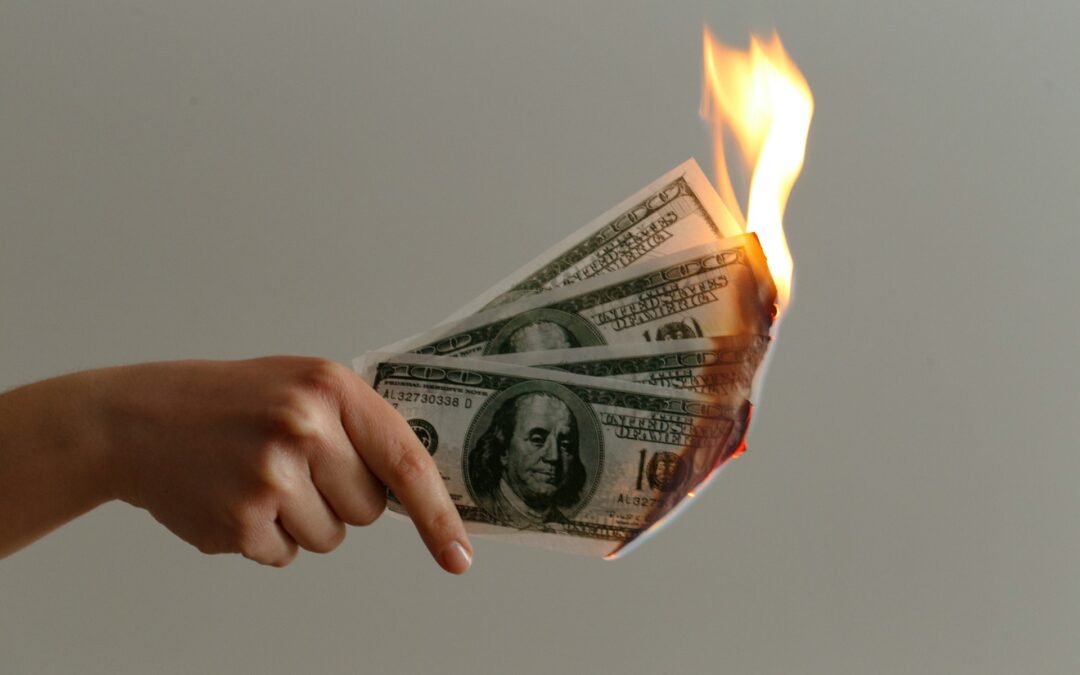
Done well, a refresh strengthens your moat. Done poorly, it sets your brand equity ablaze.
So the next time you see a shiny new logo, don’t get distracted by the outrage. Ask the fundamental question:
Is this building brand value, or just burning it for attention?
That’s the line between brand strategy and logos gone loco.
Photo by Jp Valery on Unsplash
Connect with Jeff at The Marketing Sage Consultancy. Interested in setting up a call with me? Use my calendly to schedule a time to talk. The call is free, and we can discuss your brand and marketing needs.
If you want to learn more about my new offering, The Trusted Advisor Board, you can click here to learn the details. Feel free to email me at jeffslater@themarketing sage.com or text 919 720 0995. Thanks for your interest in working with The Marketing Sage Consultancy.