
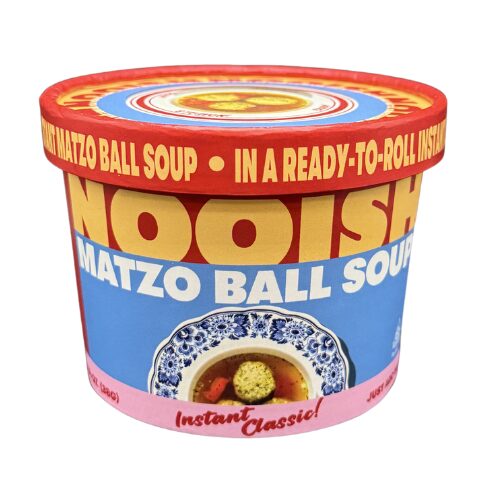
Funny, You Don’t Look Nooish
I recently spoke with Sarah Nathan, the founder of Nooish It was one of the most refreshing conversations I’ve had with a food entrepreneur in a long time.
And I mean that genuinely—here’s Sarah, literally filling containers with instant matzo balls and dropping in spice packets while we talked over Zoom. It was the perfect snapshot of what Nooish is all about: taking something deeply traditional and making it accessible, one cup at a time.
If you haven’t heard of Nooish yet, here’s the quick version: it’s an instant matzo ball soup that you can prepare in under three minutes. But like most great products, the story is as interesting as the broth.
The Origin Story: The Pandemic and a Great Big Jewish Food Fest
Sarah’s inspiration didn’t come from a typical founder origin story. During the pandemic, when most of us were stuck at home, she produced the “Great Big Jewish Food Fest”—a virtual celebration that brought together Jewish food lovers and showcased the diversity and joy of Jewish cuisine: black Jews, Latinx Jews, LGBTQ+ Jews, Sephardic, Mizrahi—representation from across the community.
The response floored her. People wrote in saying how connected they felt. And that’s when it clicked for Sarah: food is one of the most powerful tools we have for connecting people to their identity and culture. The question became: how could she replicate that feeling through a product?
That realization led to Nooish’s mission: to elevate Jewish food beyond the kosher aisle and create a mass-market brand for Jewish cuisine, similar to Siete Foods for Mexican cuisine or Fly by Jing for Sichuan cuisine.
In other words, Sarah wants to celebrate Jewish culture not as a niche category, but as something woven into the broader American food conversation—year-round, not just for Passover.
The Product: Three Years of Perfecting the Art
What makes Nooish interesting isn’t just the mission—it’s the product itself.
The instant matzo ball soup comes with three full-size matzo balls, a flavorful broth made with real carrots, onions, dill, and premium spices, and the convenience of instant food without compromising quality. The matzo balls are freeze-dried, a process that preserves flavor, texture, and nutrients while keeping the product shelf-stable for up to 18 months.
But here’s the thing: this wasn’t a quick overnight creation. Sarah spent years perfecting the process, particularly the freeze-drying technique. Her early attempts to outsource it resulted in inconsistent quality and wasted product. So, she brought production in-house and moved operations to Columbus, Ohio.
What struck me during our conversation was Sarah’s refusal to compromise. Even when I asked about scaling and growth, she was direct: the business deliberately scaled back to a solo operation to fix profitability issues and perfect processes before hiring again.
This is the opposite of the venture-backed hustle mentality. It’s patient and bootstrapped, prioritizing quality and sustainability over rapid growth.

A Multifaceted Approach to Distribution
One of the smartest parts of Nooish’s strategy is the highly diversified distribution. The product is available through direct-to-consumer channels—the website, Amazon, and TikTok Shop. But Sarah has also built wholesale partnerships with roughly 150 stores, ranging from specialty retailers and regional chains like Central Market to museums, hospitals, and about 20 Hillels across the country.
This omnichannel approach makes sense given who she’s reaching. Nooish works for gifting (for college students and new parents), for kosher consumers seeking clean-ingredient alternatives, for the culturally curious non-Jewish consumer exploring new culinary experiences, and for what Sarah calls “Jewish food deserts”—areas with limited access to traditional Jewish foods.
The Marketing Magic: Earned Media and Community Events
Perhaps the most refreshing thing was learning how Nooish approaches marketing. There’s no six-figure paid ad budget. Growth is driven by earned media—press features, influencer posts—and in-person events like farmers markets, trade shows, and Hillel conferences, where people can try the product.
Sarah has also been clever about collaborations, creating “Jewish Food Discovery Boxes” featuring other Jewish-owned brands, such as Soom Tahini. It does two things at once: it introduces customers to other quality Jewish food producers and amplifies Nooish’s reach through partnerships rather than paid advertising.
The Long Game
What I appreciated most about my conversation with Sarah was her philosophy on growth. She’s not trying to build the next $100 million unicorn overnight. She’s building something sustainable, a patient, bootstrapped approach that avoids the burnout that rapid scaling can create.
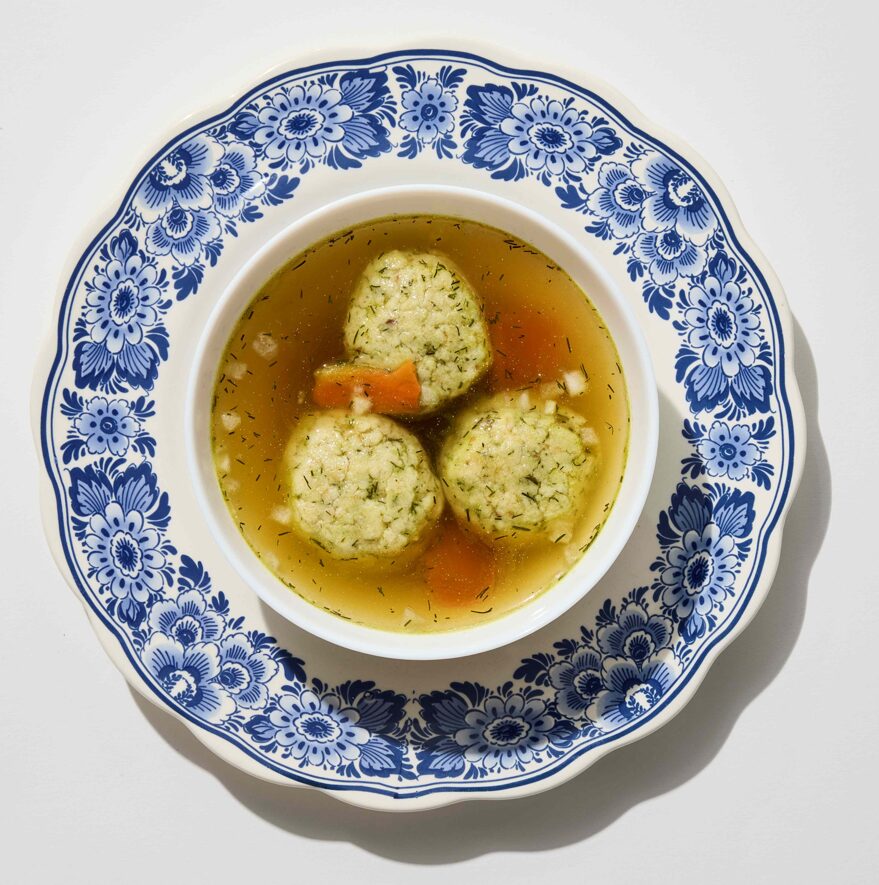
Her next steps are clear: a new matzo ball flavor is in development, featuring high-quality spices consistent with her brand’s ethos revealing stories about the diaspora.
Eventually, she envisions a multi-million-dollar production facility, but only after the current model is fully optimized and profitable. It’s a refreshing reminder that not every founder is obsessed with venture capital and hockey stick growth curves.
Why This Matters
Nooish represents something larger than just a food product. It’s about reclaiming narratives around cultural cuisine. For too long, Jewish food has been relegated to specific seasons or special occasions. Sarah is positioning matzo ball soup—and by extension, Jewish cuisine—as a year-round comfort food, a gift from one person to another, a love language in edible form.
The fact that she’s doing this while maintaining quality standards, embracing sustainable packaging, and sourcing from small farmers and producers suggests there’s room in the market for brands that don’t play the usual growth-at-all-cost game.
Three Key Takeaways
Quality and Profitability Come Before Scale. Sarah’s decision to slow down, move production in-house, and perfect her process before hiring again is a master class in founder discipline. She rejected the temptation to rapidly scale in favor of building a sustainable business—a lesson many venture-backed founders could learn.
Earned Media and Community Engagement Beat Paid Ads. In an age of expensive ad costs and consumer skepticism about marketing, Nooish’s reliance on press features, influencer partnerships, and in-person sampling has proven more effective than traditional advertising. The product’s novelty and quality do much of the heavy lifting.
Cultural Brands Need a Clear Mission Beyond the Product. Nooish isn’t just selling instant soup; it’s celebrating Jewish culture and making it accessible year-round. That sense of purpose attracts both customers and partners who want to be part of something meaningful, something you can’t manufacture through paid advertising.
If you want to try Nooish for yourself, head over to nooish.co to shop or find a store near you. And if you’re looking for a thoughtful gift that nourishes both body and cultural connection, you’ve found it.
Special thanks to Sarah Nathan for taking the time to chat while expertly packing containers of matzo ball magic.
And in case you are wondering, my Bubbe, or Grandma Fannie, made incredible chicken soup. She used to tell me the secret is the schmaltz.
Schedule a Call with Jeff Slater to Unlock Growth
Connect with Jeff at The Marketing Sage Consultancy. Interested in setting up a call with me? Use my calendly to schedule a time to talk. The call is free, and we can discuss your brand and marketing needs.

Would you like to read some testimonials about my work? Click here.
If you want to learn more about my new offering, The Trusted Advisor Board, you can click here to learn the details. Feel free to email me at jeffslater@themarketing sage.com or text 919 720 0995. Thanks for your interest in working with The Marketing Sage Consultancy.