Why Matcha Took Off: The Cultural, Wellness, and Brand Catalysts Behind Its Green Surge:
How a Green Powder Turned to Gold
I’m always curious about how certain products go from niche to near-mainstream.
One of the most compelling examples in the past decade is matcha. Once reserved for traditional Japanese tea ceremonies and obscure health food stores, matcha is now a staple at hip cafes, stocked in premium grocery aisles, and infused into everything from lattes to protein bars.
So, how did a centuries-old powdered green tea become a cultural juggernaut?
The answer is a layered story of health trends, aesthetic appeal, influencer culture, and savvy brand positioning. Let’s unpack how matcha rode the wave of wellness and why some under-the-radar brands have emerged as category leaders.
Wellness Reframed: From Energy to Ritual
The first major accelerant for matcha was its alignment with the broader wellness movement. Consumers are increasingly shifting away from synthetic stimulants and looking for functional alternatives. Matcha, rich in antioxidants and L-theanine, provides a calm, focused energy that contrasts with the crash associated with coffee.
The messaging around matcha isn’t just about energy—it’s about ritual. The act of whisking matcha, or slowly sipping a frothy green latte, fits perfectly with the millennial and Gen Z desire to slow down, practice mindfulness, and build routines that feel nourishing.
The Aesthetic Factor: Instagram and TikTok Made It Inevitable
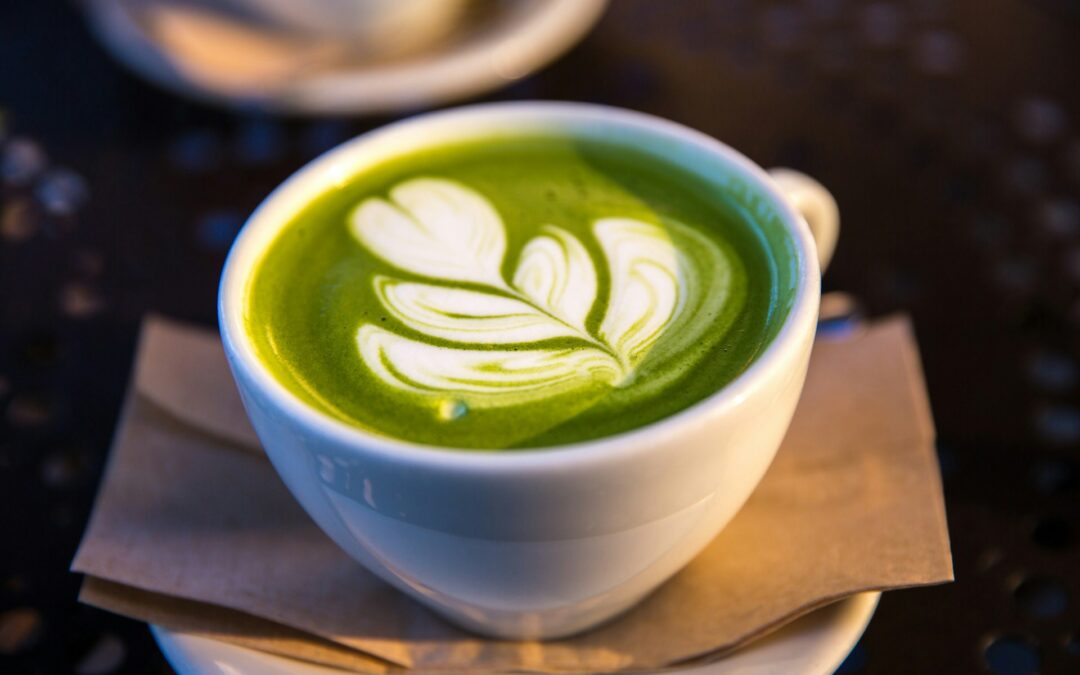
Let’s not underestimate the power of color. Matcha’s vibrant green hue practically begs to be photographed. In an era where Instagram plays a massive role in discovery and validation, matcha had a built-in visual advantage. It photographs beautifully—in lattes, bowls, desserts—and signals a kind of aspirational lifestyle rooted in health and intention.
Social proof through influencers and wellness bloggers helped normalize and glamorize matcha for Western audiences. The content was clean, calming, and curated—exactly the mood consumers wanted in the noise of modern life.
Cultural Cachet Meets Accessibility
Matcha has a rich heritage tied to Japanese tea ceremonies and Zen Buddhism. But savvy marketers translated that depth into a narrative that Western audiences could appreciate without overwhelming them with cultural complexity. Brands have found ways to honor the tradition while making it accessible through modern packaging, simple how-to guides, and easy-to-use formats, such as stick packs or ready-to-drink options.
This balance between authenticity and accessibility helped it avoid the pitfalls of appropriation while still expanding its appeal.
Three Brand Examples That Got It Right

1. MatchaBar (New York)
Founded by two brothers from Brooklyn, MatchaBar started as a cafe concept and quickly evolved into a CPG brand. They differentiated with a modern, rebellious tone that set them apart from the ultra-serene matcha competitors. Their RTD (ready-to-drink) matcha energy drinks gained traction in Whole Foods and on Amazon, particularly among younger consumers seeking an alternative to sugary energy drinks.
2. Tenzo (Los Angeles)
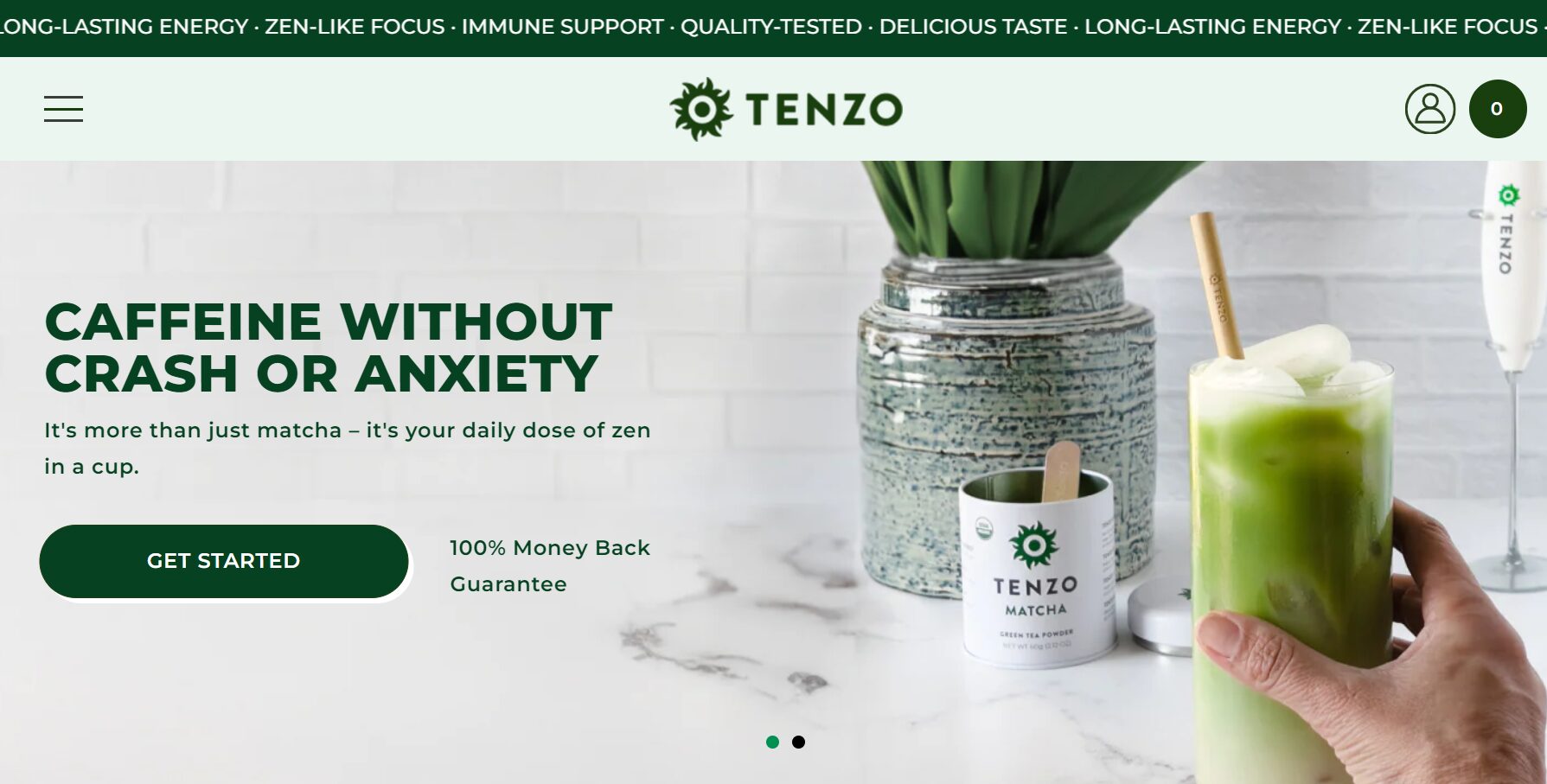
Tenzo focused on high-quality matcha sourced directly from Japanese farms, but what set them apart was their direct-to-consumer strategy and educational content. Their branding leans clean, energetic, and modern, and they’ve invested heavily in building a community of daily users.
MatchaBar was one of the first to bring matcha to the convenience beverage category in a brand-forward way—using sleek design, transparent sourcing, and partnerships with artists and DJs. Their positioning was more “matcha for creatives and hustlers” than “matcha for monks,” and it worked.
What Tenzo does well is simplify the entry point. They offer starter kits, clear brewing guides, and position matcha as a productivity tool. Their focus on sustainability and customer loyalty programs also reflects how newer wellness brands are building deeper connections with consumers.
3. Golde (Brooklyn)
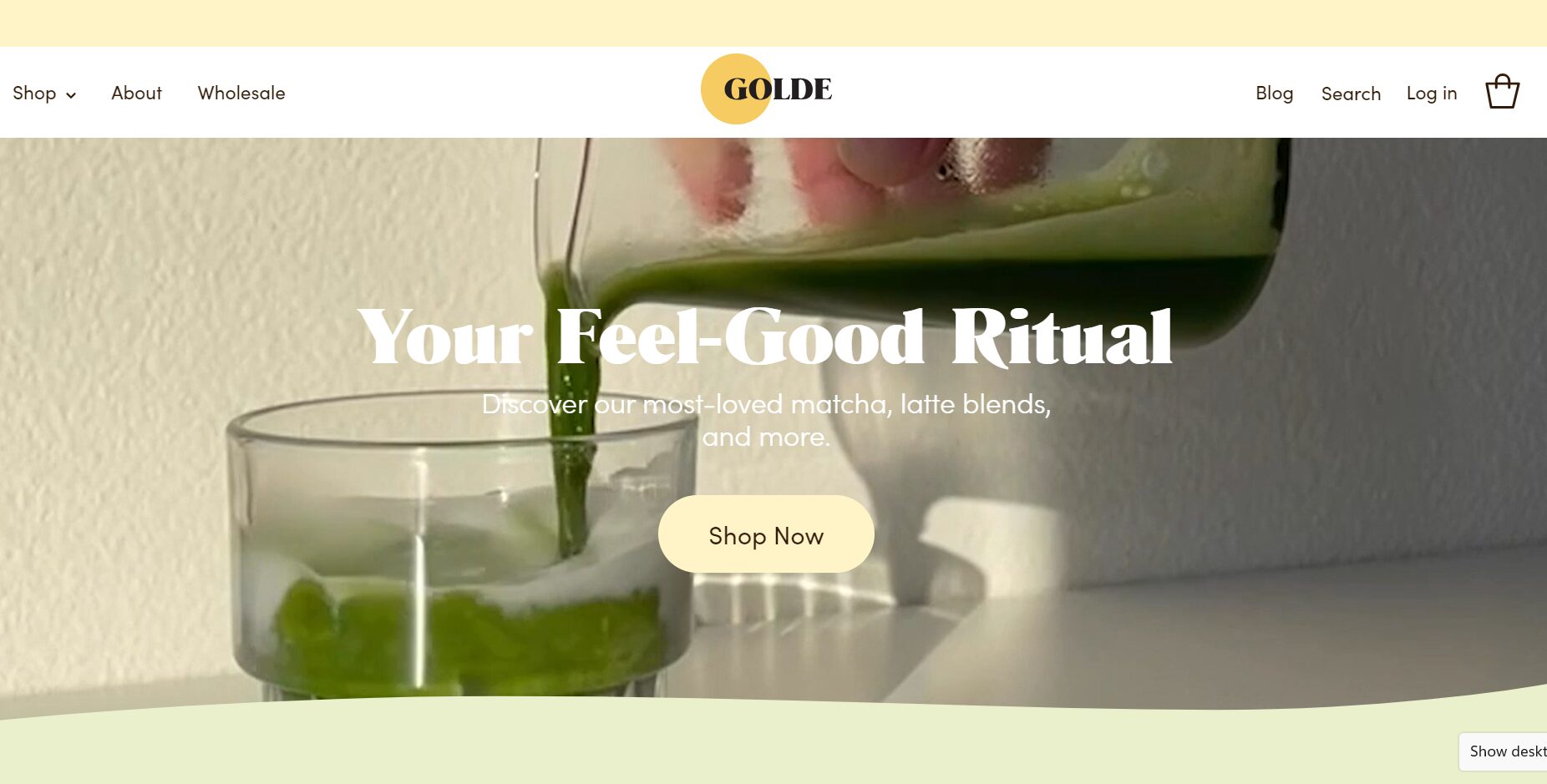
Golde, a wellness brand founded by Trinity Mouzon Wofford, has become a standout not only in the matcha category but across beauty and self-care. Their Pure Matcha product sits alongside turmeric latte blends and superfood masks, reinforcing matcha as part of a holistic wellness ecosystem.
Golde’s packaging is joyful and bright, reflecting a more inclusive, fun, and modern approach to wellness. Their distribution has expanded from DTC to include significant retail partnerships, such as Target. What makes Golde stand out is their cultural fluency, positioning matcha not just as healthy, but as joyful, expressive, and empowering.
Three Brand Lessons from Matcha’s Rise
1. Wellness Needs a Narrative.
Matcha’s success wasn’t just about health benefits—it was about storytelling. Brands that positioned it as part of a broader lifestyle won over those who just shouted about antioxidants. Every wellness product needs a human story, a routine, and a set of values consumers can align with.
2. Visual Identity Can Drive Discovery.
A unique and Instagrammable visual presence made matcha impossible to ignore. For emerging brands, investing in strong, distinctive packaging and a clear aesthetic can accelerate word-of-mouth more effectively than advertising spend ever could.
3. Balance Heritage and Innovation.
Successful matcha brands paid homage to tradition while innovating for new consumers. Whether it was through format (RTD, powders, kits) or flavor and lifestyle positioning, they showed that respect and reinvention can co-exist.
Matcha is more than a trend. It’s a case study in how cultural depth, product functionality, and brand storytelling can intersect to create a lasting impact. For brand strategists, the matcha movement is a reminder that when you meet real human needs and do it beautifully, even ancient rituals can find new life—and new markets.
Photo by Jason Leung on Unsplash
Connect with Jeff at The Marketing Sage Consultancy. Interested in setting up a call with me? Use my calendly to schedule a time to talk. The call is free, and we can discuss your brand and marketing needs.
If you want to learn more about my new offering, The Trusted Advisor Board, you can click here to learn the details. Feel free to email me at jeffslater@themarketing sage.com or text 919 720 0995. Thanks for your interest in working with The Marketing Sage Consultancy.